
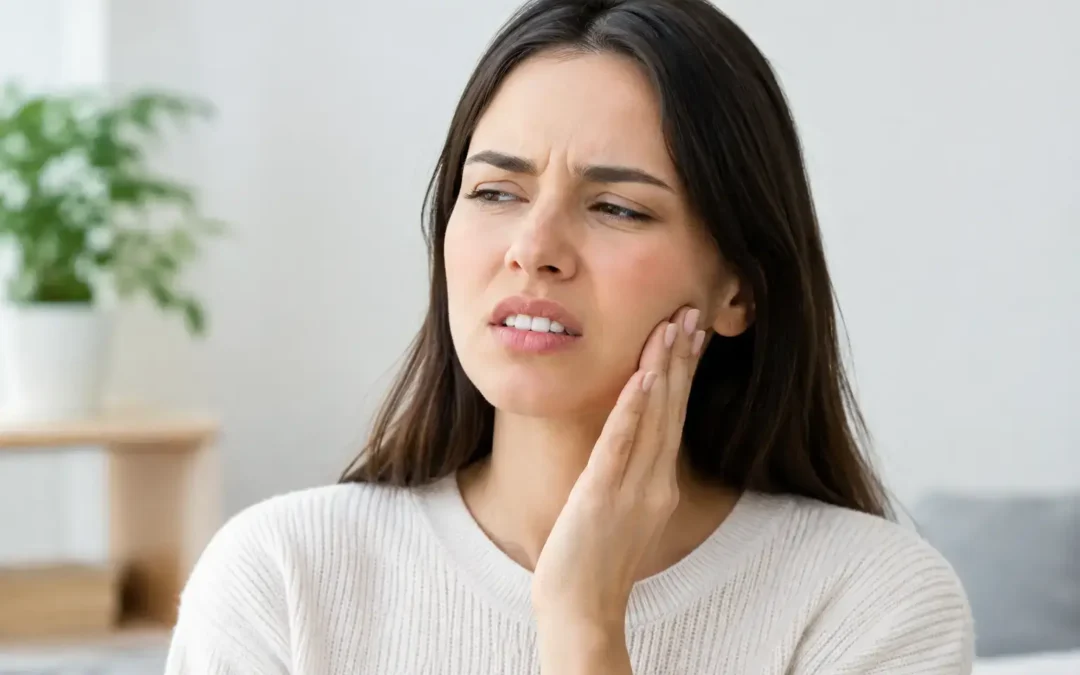
A click when you yawn, bite into a sandwich, or open wide at the dentist can be startling – especially when it seems to come from right in front of your ear. If you are asking, “why does my jaw click,” you are not alone. Jaw clicking is common, and it is often related to the temporomandibular joints, or TMJs, which connect your lower jaw to your skull.
A clicking jaw does not always mean something serious is wrong. But if the sound is new, frequent, painful, or paired with trouble opening and closing your mouth, it deserves professional attention. Understanding what may be happening can help you make a calm, informed decision about your next step.
Why Does My Jaw Click?
Your TMJs are small but hardworking joints. They help you speak, chew, swallow, yawn, and move your jaw from side to side. Each joint includes a small cushioning disc that helps the bones move smoothly together.
One common reason for a click is that this disc moves slightly out of its usual position and then slides back into place as you open or close. Dentists may call this disc displacement with reduction. The clicking sound is the disc repositioning during movement.
That explanation can sound concerning, but a clicking sound by itself is not automatically a dental emergency. Some people have painless clicking for years with no loss of jaw function. The more meaningful question is whether the clicking comes with discomfort, limited movement, or changes in the way your teeth fit together.
Jaw tension and clenching
Clenching or grinding your teeth, also called bruxism, can place extra pressure on the jaw joints and chewing muscles. Many people clench during stressful moments without realizing it. Others grind at night and wake with a tired jaw, morning headaches, or sensitive teeth.
Stress does not create every jaw problem, but it can make muscle tension and symptoms more noticeable. A busy schedule, poor sleep, and even holding your jaw tightly while concentrating can keep the muscles around the joint from fully relaxing.
An uneven bite or tooth changes
Your bite can feel different after a chipped tooth, a lost filling, dental work that needs adjustment, or changes in tooth position. Sometimes a bite issue contributes to strain on the jaw. Other times, jaw discomfort makes a person shift their bite to avoid a sore area.
This is why an exam matters. It is not always possible to identify the source of clicking based on the sound alone. Your dentist can look at your teeth, bite, jaw movement, and surrounding muscles to see the fuller picture.
Injury, overuse, or opening too wide
A hard hit to the face, a fall, or a sports injury can affect the jaw joint. So can repeated strain from chewing gum for long periods, biting nails, chewing ice, or opening very wide. Even a long dental appointment can temporarily aggravate a sensitive joint, particularly if symptoms were already present.
Arthritis and normal joint wear can also contribute, especially as we get older. In children and teens, a clicking jaw may occur during growth or alongside clenching habits, but it should still be evaluated if it is painful or affects eating.
When Jaw Clicking Is Usually Less Concerning
A painless click that happens occasionally and does not interfere with eating, speaking, or opening your mouth may not require urgent treatment. It can still be worth mentioning at your regular dental checkup, especially if the sound is becoming more frequent.
Pay attention to patterns. Does the click happen only when you open very wide? Does it occur after a stressful week, a night of poor sleep, or a long stretch of gum chewing? Those details can help your dental team understand whether lifestyle changes may reduce strain on the joint.
Do not repeatedly test the click by opening and closing your mouth on purpose. It is understandable to check whether it is still there, but repeatedly forcing the joint through the movement can irritate already tense tissues.
Signs You Should Schedule a Dental Evaluation
Jaw clicking becomes more important when it is paired with symptoms that affect your comfort or function. Schedule an appointment if you notice pain in front of the ear, tenderness in the jaw or face, frequent headaches, or pain while chewing.
You should also be evaluated if your jaw catches, locks, or will not open as far as usual. A jaw that suddenly will not close properly, significant swelling, fever, or severe pain after an injury needs prompt care. These symptoms may point to something more than routine clicking.
Other clues include a new change in how your upper and lower teeth meet, ringing or pressure near the ear, worn or cracked teeth, or a partner hearing you grind at night. Ear discomfort can feel confusing because the TMJ sits so close to the ear, but a dental evaluation can help determine whether the jaw may be involved and whether another healthcare provider should be part of your care.
What You Can Do at Home While You Wait
For mild jaw discomfort, small changes can give the joint a break. Choose softer foods for a few days, take smaller bites, and avoid chewing gum, ice, pens, or other nonfood items. Try not to open extra wide when yawning. Supporting your chin gently with your hand can help limit the movement.
Warm compresses may relax tight jaw muscles, while a cool compress may feel better after recent strain or swelling. Use either for short intervals with a cloth barrier to protect your skin. Focus on keeping your teeth slightly apart when you are not chewing. Your lips can rest together, but your teeth do not need to touch all day.
Over-the-counter pain medicine may help some adults, but it is not the right choice for everyone. Follow the label and check with your physician or pharmacist if you have medical conditions, take prescription medicines, are pregnant, or are unsure what is safe for you.
It is best to avoid online jaw exercises that promise to “pop” the joint back into place. Aggressive stretching or self-adjustment can worsen symptoms. The right approach depends on whether the problem is muscle-related, joint-related, bite-related, or a combination.
How a Dentist Can Help With a Clicking Jaw
A dental visit for jaw clicking usually begins with a conversation. Your dentist will ask when the sound began, whether there was an injury, what movements trigger it, and whether you clench or grind. They may gently feel the joint and jaw muscles, listen for clicking, measure how far you can open, and check your teeth for signs of wear or bite changes.
Digital imaging may be recommended when your symptoms, exam findings, or dental history call for a closer look. Not every clicking jaw needs extensive imaging or treatment. Good care starts by matching the evaluation to the symptoms rather than assuming every click needs the same solution.
Treatment is often conservative. Depending on the cause, your dentist may recommend a custom nightguard to protect teeth from grinding, strategies to reduce clenching, temporary diet changes, or coordinated care with another specialist. If a tooth, restoration, gum condition, or bite issue is contributing to your discomfort, addressing that concern can be part of the plan.
Orthodontic treatment can improve tooth alignment and bite function for the right patient, but braces or clear aligners are not a one-size-fits-all cure for TMJ symptoms. A careful evaluation is essential before connecting jaw clicking to orthodontic treatment. The goal is always to protect comfort, function, and long-term oral health.
A Comfortable Next Step for South Florida Families
If your jaw clicks once in a while without pain, make a note of it and bring it up at your next checkup. If it is painful, worsening, or getting in the way of meals and daily life, do not wait for it to become more disruptive.
At Smile Perfection Dental & Orthodontics, our team can evaluate your jaw, teeth, and bite in one comfortable setting and explain what we see in clear, reassuring terms. A jaw click is your body’s cue to pay attention – and a timely dental visit can help you move forward with greater comfort and confidence.