
A smile that looks straight in photos can still have a bite that feels uneven, crowded teeth that are difficult to clean, or a gap that has bothered you for years. Adult orthodontic treatment options are designed for these real-life concerns, with choices that can fit professional schedules, family responsibilities, and personal comfort preferences.
Many adults assume orthodontic care is only for teens, or that improving their smile means committing to highly visible metal braces. That is no longer the case. Modern treatment can be discreet, effective, and carefully planned around your oral health goals. The right approach depends on what needs to move, the condition of your teeth and gums, and how consistently you can follow treatment instructions.
Why Adults Choose Orthodontic Treatment
Orthodontics is about more than cosmetic improvement. When teeth are crowded, rotated, spaced too far apart, or out of alignment, plaque can collect in areas that are hard to brush and floss. An uneven bite may also place extra pressure on certain teeth, contribute to chipping or wear, and make chewing less comfortable.
For some patients, treatment is primarily about confidence. They want to smile freely at work, in family photos, or during special occasions without feeling self-conscious about a noticeable gap or crooked front teeth. For others, orthodontic treatment is part of a larger restorative plan before crowns, veneers, dental implants, or other dental work.
Adults often bring different priorities to the consultation than younger patients do. Appearance matters, but so do convenience, predictability, and the ability to keep up with oral hygiene. A thoughtful orthodontic evaluation should address all of those factors rather than offering a one-size-fits-all solution.
Adult Orthodontic Treatment Options to Consider
Clear aligners
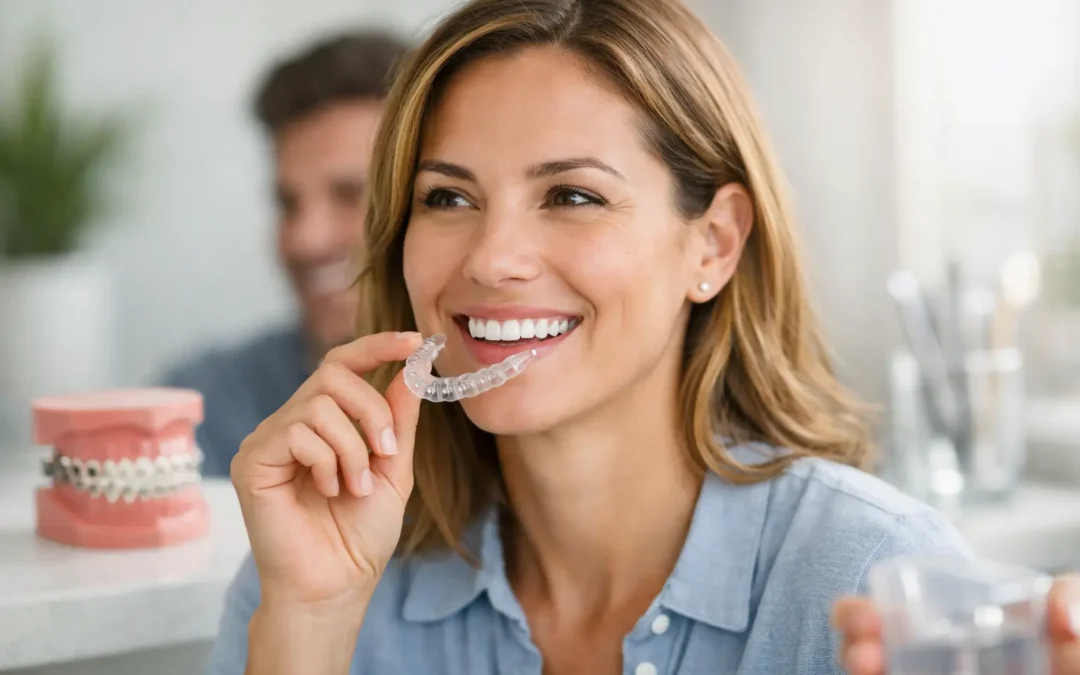
Clear aligners are a popular choice for adults who want a subtle treatment experience. These custom, removable trays gradually guide teeth into their planned positions. Because they are clear, they are generally less noticeable than traditional braces in conversation and photographs.
One of the biggest advantages is flexibility. Aligners are removed for meals, brushing, flossing, and special occasions when appropriate. That can make daily routines feel more familiar and can make it easier to keep teeth clean throughout treatment. Patients typically switch to a new set of aligners on a prescribed schedule and visit the orthodontic team periodically to monitor progress.
The trade-off is responsibility. Clear aligners need to be worn for the recommended number of hours each day, often about 20 to 22 hours. Leaving them out too often can delay progress or affect results. They may not be the best choice for every complex bite concern, although advances in aligner treatment have made them suitable for many cases that once required braces.
Traditional metal braces
Traditional braces use brackets and wires to apply steady, controlled pressure to move teeth. They remain one of the most reliable options for significant crowding, complex tooth movement, bite correction, and cases where close control is especially important.
Metal braces are more visible than clear aligners, but they have practical advantages. They stay in place, so treatment does not depend on remembering to wear removable trays. They can also be highly effective when multiple teeth need substantial movement or when the bite requires more detailed correction.
Adults considering braces should expect to make a few routine adjustments. Brushing around brackets takes extra care, and some foods, such as sticky candy, popcorn, and hard nuts, may need to be avoided to help prevent damage. Mild soreness after adjustments is common and usually temporary.
Ceramic braces
Ceramic braces work much like traditional braces but use tooth-colored or clear brackets that blend in more naturally with the smile. They can be an appealing middle ground for adults who need the effectiveness of braces but prefer a less noticeable appearance.
They are not invisible, and the wire remains visible at close range. Ceramic brackets can also require careful cleaning to help prevent staining around the brackets. Still, for the right patient, they offer a more discreet fixed-treatment option without sacrificing the control braces can provide.
Lingual braces
Lingual braces are attached to the back surfaces of the teeth, making them hidden from view when you smile. This option can appeal to adults who want the comprehensive control of braces without brackets showing on the front of their teeth.
Because lingual braces are highly customized and positioned near the tongue, they can take time to get used to. Speech may feel different at first, and cleaning requires attention. They are also not recommended for every bite or tooth shape. A consultation can determine whether this approach is practical for your specific needs.
Treatment Starts With a Complete Oral Health Picture
Before moving teeth, your dental team should make sure the foundation is healthy. Active gum disease, untreated cavities, infections, and certain failing restorations may need attention first. Orthodontic movement is safest and most predictable when teeth and gums are stable.
Digital imaging, photographs, and impressions or digital scans help the orthodontist understand how your teeth fit together and how your facial profile, jaw relationship, and bite may affect treatment. This planning stage matters. Straight front teeth alone are not always the goal. A healthy, functional bite and stable long-term result are equally important.
Some adults have had braces before and notice their teeth have shifted after years without wearing a retainer. Others have never received orthodontic care. In either situation, the plan should be based on your current smile, not on a previous treatment label or a friend’s experience.
How Long Does Adult Orthodontic Treatment Take?
Treatment time varies widely. A minor spacing concern may be addressed in months, while more involved bite correction can take 18 months to two years or longer. The amount of movement needed, the type of treatment selected, oral health needs, and patient cooperation all influence the timeline.
Clear aligner patients need to wear their trays as directed. Braces patients need to attend adjustment visits and protect brackets from damage. Both types of treatment benefit from excellent brushing, flossing, and regular dental exams. Consistency does more than keep treatment moving forward. It helps protect your teeth and gums while your smile is changing.
After active treatment, retainers are essential. Teeth naturally have a tendency to shift over time, especially in the lower front teeth. Wearing retainers as instructed is how you protect the time, effort, and investment you have put into your new smile.
Choosing the Option That Works for You
The best choice is rarely just the least visible option. Think about the correction you need, how comfortable you are with removable appliances, your work and social routine, and how much daily discipline you can realistically maintain. A parent with a packed schedule may appreciate removable aligners, while someone who prefers not to manage trays may feel more confident with fixed braces.
Cost and insurance coverage can also be part of the conversation. Orthodontic fees depend on the complexity and length of treatment, as well as the appliance selected. A clear explanation of anticipated costs, financing options, and insurance benefits can help you make a confident decision without surprises.
At Smile Perfection Dental & Orthodontics, adults can receive a personalized orthodontic evaluation alongside general, restorative, cosmetic, and periodontal care when needed. That coordinated approach is especially helpful when orthodontic treatment is one step in a broader plan for a healthier smile.
Small Habits That Support Better Results
Orthodontic treatment does not require putting your life on hold, but it does call for a few dependable habits. Keep every scheduled visit, clean carefully around appliances, and let your dental team know promptly if a bracket breaks, an aligner is lost, or something feels unusual. Avoid trying to adjust appliances at home.
If you use clear aligners, store them in their case whenever they are out of your mouth. This simple habit prevents many lost aligners, especially during meals at restaurants, work events, or family gatherings. If you wear braces, an orthodontic toothbrush, floss threader, or water flosser can make cleaning around wires easier.
A confident smile should feel like it belongs in your everyday life, not like a project you have to hide from it. A professional consultation can clarify which treatment fits your goals and give you a practical path toward a healthier, more comfortable smile.
Trackbacks/Pingbacks