
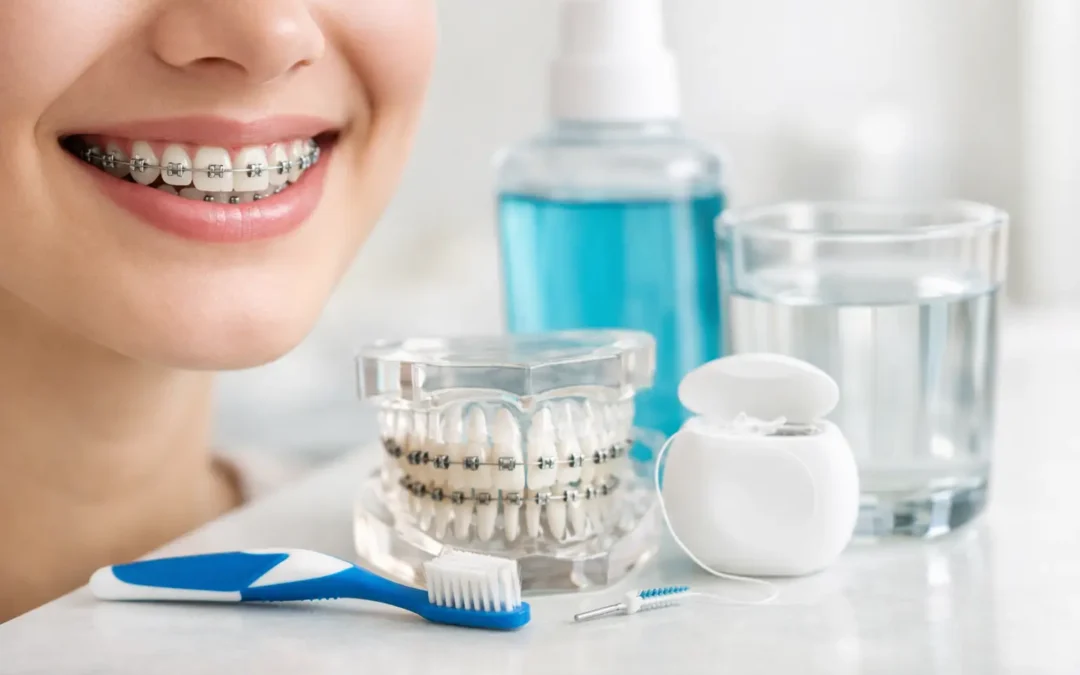
The first week with braces usually answers one question fast: how to care for braces is not just about brushing more. It is about protecting your teeth, avoiding broken brackets, and keeping treatment moving the way it should. A few daily habits make a big difference, and they can save you from extra discomfort, extra appointments, and delays you did not expect.
Braces do excellent work, but they also create more places for food and plaque to hide. That means your usual routine needs an upgrade. The good news is that caring for braces is manageable once you know what matters most and where patients tend to run into trouble.
How to Care for Braces Without Making Life Complicated
The goal is simple: keep your braces clean, keep your teeth healthy, and avoid damaging the hardware. You do not need a complicated system, but you do need consistency.
Brushing after meals is one of the best habits you can build during orthodontic treatment. Food particles can collect around brackets and wires quickly, especially after meals with bread, pasta, meat, or anything sticky. If you cannot brush right away, rinsing with water is a helpful backup until you can get to a toothbrush.
A soft-bristled toothbrush works well for most patients. Angle the bristles above and below each bracket so you clean the tooth surface, the gumline, and the edges around the hardware. Electric toothbrushes can also be a good option, especially for teens and adults who want help getting a more thorough clean. What matters most is technique and consistency, not just the tool itself.
Flossing with braces takes longer, and that is exactly why many people start skipping it. Unfortunately, that is when gums become irritated and swollen. A floss threader, orthodontic floss, or water flosser can make the process much easier. If you are choosing between methods, it often depends on what you will actually use every day. The best flossing tool is the one that helps you stick with the habit.
Your Daily Cleaning Routine Matters More Than You Think
When patients ask how to care for braces, they are often thinking about emergencies or food restrictions. Those matter, but daily cleaning has the biggest long-term impact.
If plaque sits around brackets for too long, it can lead to inflamed gums, bad breath, and white spots on teeth. Those white spots are early signs of enamel damage, and they can remain visible after braces come off. Straight teeth are exciting, but healthy enamel and gums are just as important.
A fluoride toothpaste is usually a smart choice during orthodontic treatment because it helps strengthen enamel. Some patients also benefit from a fluoride rinse, especially if they are prone to cavities or have trouble cleaning thoroughly around brackets. This is one of those areas where individual needs matter. A child, teen, or adult with a history of cavities may need a more supportive routine than someone with low cavity risk.
Try checking your teeth in the mirror after brushing. If you still see food trapped around brackets or near the gumline, brush again before moving on. A quick visual check can catch what you missed and help improve your technique over time.
What to Eat and What to Avoid
Food choices can make your braces experience much easier or much more frustrating. Hard, sticky, and crunchy foods are the biggest troublemakers because they can bend wires, loosen brackets, and create areas that are difficult to clean.
Foods like popcorn, hard candy, chewing ice, nuts, and sticky caramel are common causes of broken braces. Chewy bagels, tough pizza crust, and very crunchy chips can also cause problems, even if they seem harmless. Raw fruits and vegetables are healthy, but they may need to be cut into smaller pieces instead of bitten into directly. Biting into whole apples or corn on the cob can put too much pressure on brackets.
That does not mean meals need to become bland or restrictive. Softer foods such as yogurt, eggs, pasta, rice, cooked vegetables, soups, smoothies, shredded chicken, and soft fruits are usually easier on sore teeth and safer for braces. As your mouth adjusts, you can still enjoy plenty of variety. The key is being mindful about texture and how you eat, not just what you eat.
Sugary drinks and frequent snacking also deserve attention. Soda, sports drinks, and sweet coffee drinks can increase cavity risk, especially when sugar lingers around brackets. If you do have them occasionally, rinsing with water afterward helps reduce how long those sugars and acids stay on your teeth.
Soreness, Irritation, and Small Problems
Some tenderness is normal, especially after braces are first placed or adjusted. Teeth move because pressure is being applied, so a little soreness comes with the process. Soft foods, cold water, and over-the-counter pain relief if recommended by your dentist or orthodontist can help during those first few days.
Brackets and wires can also rub against the inside of your cheeks or lips while your mouth is getting used to them. Orthodontic wax is very helpful here. Dry the area as much as possible, place a small piece of wax over the bracket or wire that is bothering you, and replace it as needed.
If a wire is poking, do not try to cut it on your own. If a bracket feels loose, call your orthodontic office. Some issues can wait a day or two, while others should be seen sooner so treatment stays on track. This is where early communication helps. Small problems are usually easier to fix than bigger ones that were ignored.
Sports, Instruments, and Busy Family Schedules
Braces should fit into real life, including school, sports, music, and packed calendars. If your child or teen plays sports, a mouthguard is a smart investment. It helps protect both the braces and the soft tissues of the mouth during contact or high-impact activity. Not every mouthguard fits well over braces, so it is worth asking for guidance on the right type.
Patients who play wind instruments sometimes need a short adjustment period. Lips and cheeks may feel more sensitive at first, but this usually improves with time and practice. Wax can help during the transition.
For busy families, keeping a small braces care kit in a backpack, purse, or car can make daily care easier. A travel toothbrush, toothpaste, floss picks or threaders, wax, and a compact mirror can be enough to handle most situations away from home.
Regular Checkups Keep Everything Moving
Braces need monitoring. Even if everything looks fine to you, adjustments and check-ins are a key part of successful treatment. Missed visits can mean missed opportunities to catch problems early or make progress on schedule.
Routine dental cleanings are also still important during orthodontic treatment. Braces increase the challenge of keeping teeth clean, so professional cleanings help remove buildup in places you may not be reaching well at home. This is especially important for younger patients who are still building strong home-care habits.
At Smile Perfection Dental & Orthodontics, many families appreciate being able to coordinate care in one trusted practice, especially when orthodontic treatment and preventive dental visits need to work together. That kind of continuity can make treatment feel easier and more organized.
When Good Care Pays Off Later
Braces are temporary, but the habits you build during treatment can affect your smile long after they come off. Patients who care for their braces well often finish treatment with healthier gums, cleaner enamel, and fewer surprises at the end.
It is also worth remembering that perfect technique is not the standard. Consistency is. If you miss a brushing after lunch or forget floss one night, that does not mean you have failed. It means you reset at the next opportunity and keep going.
For parents, encouragement matters more than constant correction. For teens and adults, simple routines usually work better than ambitious ones you will not maintain. Keep a toothbrush where you need it, choose foods that make life easier, and call your orthodontic team when something feels off.
Braces are doing a precise job every day. When your home care supports that work, treatment tends to feel smoother, cleaner, and more predictable – and that is a win for both your smile and your peace of mind.