
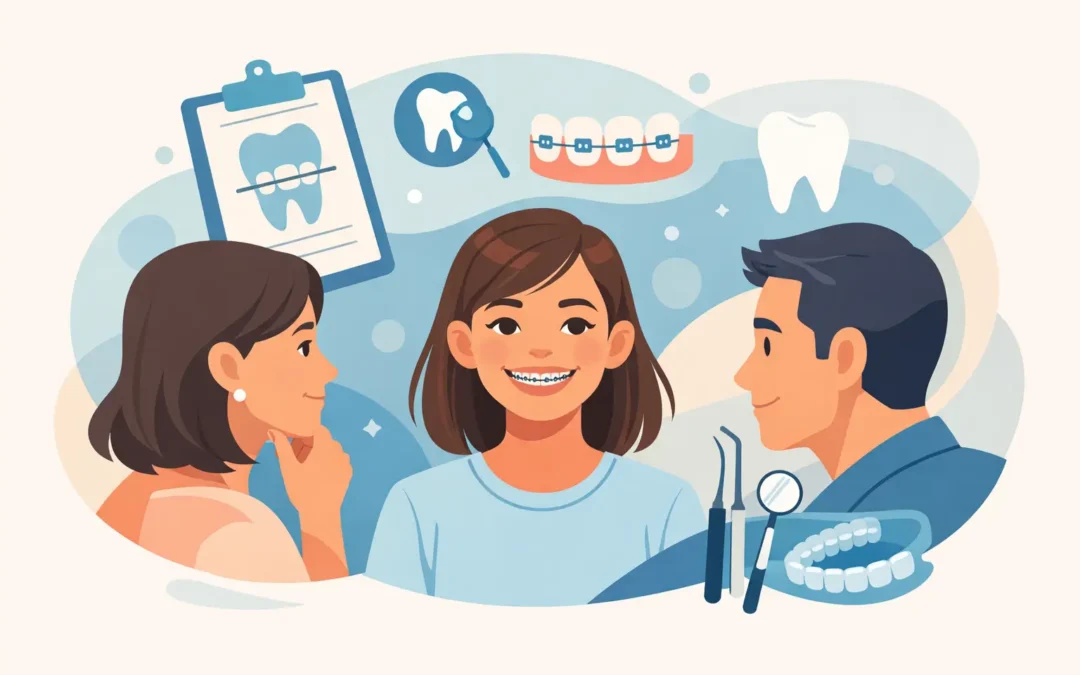
The school photos, the social events, the daily routines – the teen years put a spotlight on a smile. For many families, braces for teens are not just about straight teeth. They are about comfort, confidence, better oral health, and getting ahead of problems that can become more complicated in adulthood.
Teen orthodontic treatment often comes at the right time because the mouth and jaw are still developing, but most permanent teeth are already in place. That combination gives orthodontists a valuable window to guide alignment, correct bite issues, and create healthier function. For parents, the questions usually come quickly: Is now the right time? Which type of braces makes sense? How long will treatment take? And how do you help a teen stick with it?
Why braces for teens are so common
Braces during the teen years are common for a reason. By adolescence, crowding, spacing, overbites, underbites, crossbites, and shifting teeth are easier to fully evaluate than they were in early childhood. At the same time, teens are often still growing, which can make certain corrections more efficient than waiting until adulthood.
There is also a practical side. Many teens are mature enough to handle orthodontic care responsibly, keep up with hygiene instructions, and understand why treatment matters. That does not mean every teen is instantly ready, but it does mean this age group is often in a strong position to succeed.
Straightening teeth is also about more than appearance. Misaligned teeth can be harder to clean, and bite problems can contribute to uneven wear, jaw strain, or difficulty chewing comfortably. A more balanced bite and better alignment can make long-term dental care easier.
Signs your teen may need braces
Sometimes the need is obvious, especially if teeth look crowded or visibly out of line. In other cases, the issue has more to do with how the teeth fit together than how they look at first glance.
Parents often notice early or late loss of baby teeth, difficulty biting or chewing, mouth breathing, shifting of the jaw, or teeth that seem to overlap or stick out. Some teens complain about frequent cheek biting or discomfort when closing their mouth. Others simply feel self-conscious about their smile and avoid photos or smiling openly.
An orthodontic evaluation can clarify whether the concern is mainly cosmetic, functional, or both. That distinction matters because treatment planning is not one-size-fits-all. A teen with mild spacing may have different options than a teen with severe crowding or a complex bite issue.
Types of braces for teens
When families hear the word braces, they often think of traditional metal brackets first. Metal braces remain one of the most effective and reliable options, especially for moderate to complex cases. Today’s versions are smaller and more comfortable than many parents remember from their own teen years.
Ceramic braces are another option. They work similarly to metal braces but use tooth-colored or clear brackets for a less noticeable appearance. Many teens like the more subtle look, but there is a trade-off. Ceramic braces can be more delicate and may require extra care to avoid staining around the brackets.
Some teens may also be candidates for clear aligners. These removable trays appeal to teens who want a more discreet treatment option and who are willing to wear them consistently. That last part is important. Clear aligners only work well when they are worn as directed, so the best choice depends not only on the teen’s teeth, but also on the teen’s habits.
How to choose the right treatment
The right orthodontic treatment depends on several factors: the bite problem, the amount of movement needed, oral hygiene habits, lifestyle, and personal preferences. There is no universal best option.
For example, a teen involved in sports or performing arts may care strongly about appearance or comfort. A teen who tends to lose things or forget routines may do better with braces that stay in place rather than removable aligners. If the case is more complex, traditional braces may offer the most control and predictability.
This is where a thoughtful consultation makes a big difference. A good orthodontic team explains what they see, why they recommend a certain approach, and what results are realistic. Families should feel informed, not pressured.
What parents can expect during treatment
Most teens will begin with digital imaging, photos, and a detailed exam. Once the treatment plan is set, the braces are placed or the aligner process begins. After that, regular follow-up visits help track progress and make adjustments.
The first few days after braces are placed can bring some soreness. That is normal. Teeth are beginning to move, and the mouth needs time to adjust. Soft foods, orthodontic wax, and a little patience usually help a lot during this stage.
Over time, treatment becomes part of the routine. Teens learn how to brush more carefully, avoid foods that can damage brackets, and manage small changes after adjustment appointments. The process is usually less dramatic than many families fear, especially when expectations are explained clearly from the start.
How long do braces for teens take?
Treatment length varies. Some teens finish in about a year, while others need closer to two years or longer. Mild alignment issues may move faster, while bite correction and significant crowding can take more time.
Consistency matters more than many people realize. Broken brackets, missed appointments, poor elastic wear, or inconsistent aligner use can slow everything down. On the other hand, teens who follow instructions closely often stay on track and get the best possible result.
This is why honest conversations are so helpful before treatment starts. If a teen understands that cooperation affects the finish line, they are more likely to stay engaged.
Cost, insurance, and value
Cost is one of the biggest questions families have, and understandably so. The total investment depends on the type of braces, the complexity of treatment, and how long care is expected to last.
Insurance may cover part of orthodontic treatment, especially for dependents, but benefits vary widely. Flexible payment options can make care more manageable for many families. It is worth asking for a clear breakdown of costs, what insurance may help with, and whether financing is available.
It also helps to think beyond the upfront number. Orthodontic treatment can support healthier tooth wear, better cleaning, and improved bite function for years to come. For many teens, it also brings a real boost in confidence at a time when confidence matters.
Helping your teen succeed with braces
Support at home can make treatment smoother. Teens do best when parents stay involved without turning every brushing session into a battle. A little encouragement, a few reminders, and a steady routine usually go further than constant pressure.
Keep the basics simple. Make sure your teen has the right tools for brushing and flossing, knows which foods to avoid, and understands what to do if a wire feels loose or a bracket breaks. If they are wearing aligners or rubber bands, consistency should be part of the conversation early and often.
It also helps to recognize the social side of treatment. Some teens are excited to get braces. Others feel awkward at first. Most adjust quickly, especially when they can see progress. Reassurance matters, and so does choosing a team that knows how to talk to teens in a respectful, encouraging way.
Why experience matters in teen orthodontics
Teen treatment is not just about straightening visible teeth. It is about planning for function, facial balance, growth, and long-term stability. That takes training, careful diagnosis, and regular monitoring.
Families often feel more comfortable when they can receive care in a practice that understands both the orthodontic side and the bigger picture of oral health. At Smile Perfection Dental & Orthodontics, that patient-centered approach is part of what helps families feel supported from the first consultation through the final retainer.
When parents have questions, they should get clear answers. When teens feel nervous, they should be met with patience and encouragement. And when treatment is finished, the goal should be more than a straighter smile – it should be a healthy result that lasts.
If you are wondering whether now is the right time, the best next step is often simply getting a professional evaluation. A clear plan can replace a lot of uncertainty, and for many teens, that first step leads to a smile they feel good sharing.