
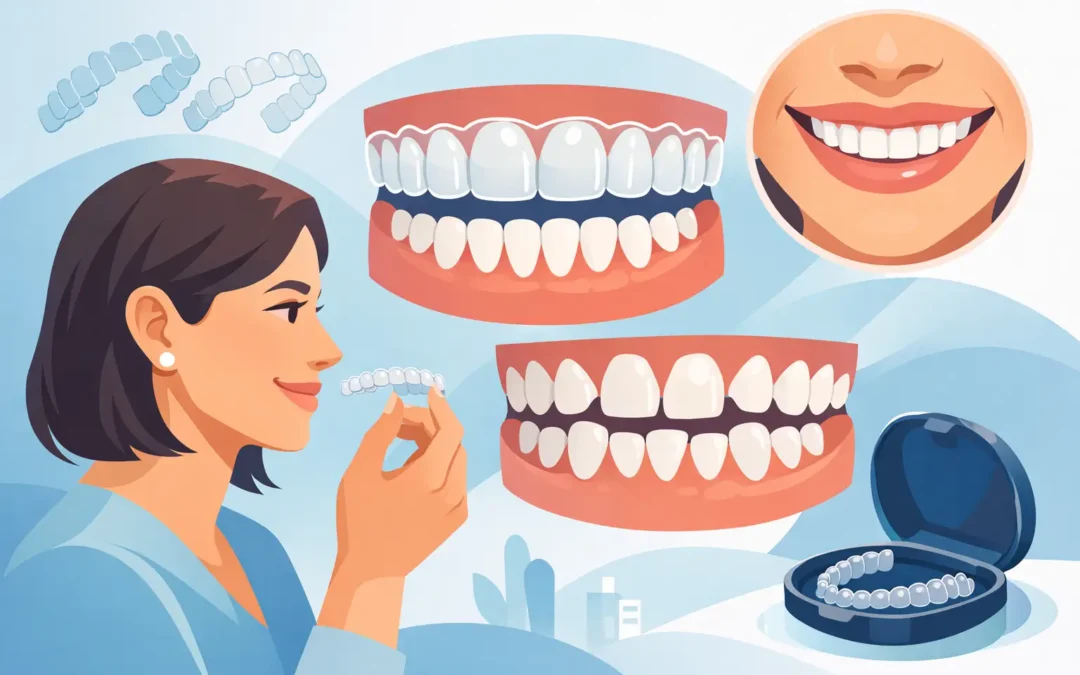
You notice it in photos first. Maybe it is one front tooth that shifted over the years, or crowding on the bottom that was not there in your twenties. For many people, Invisalign for adults starts with that small moment – realizing your smile has changed and wondering if now is finally the right time to do something about it.
Adult orthodontic treatment is more common than ever, and for good reason. Straightening your teeth is not only about appearance. Alignment can affect how you bite, how easy your teeth are to clean, and how confident you feel when you speak or smile. Clear aligners have made treatment more discreet, but that does not mean they are the right fit for every person. The best decision comes from understanding what Invisalign can do, where it shines, and where another option may make more sense.
Why Invisalign for adults appeals to so many people
Most adults are balancing work, family, schedules, and social commitments. They want effective treatment, but they also want it to fit into real life. That is one of the biggest reasons Invisalign has become so popular.
Instead of brackets and wires, Invisalign uses a series of custom clear aligners designed to move teeth gradually. The trays are smooth, removable, and much less noticeable than traditional braces. For adults in professional settings, that matters. Many patients like being able to improve their smile without feeling self-conscious in meetings, on video calls, or at social events.
There is also a convenience factor. Because the aligners are removable, you can eat the foods you normally enjoy and brush and floss more easily than you can with braces. For adults who have had dental work in the past or who want a treatment option that feels lower maintenance, that flexibility is a major advantage.
Still, removable treatment comes with responsibility. Invisalign works best when you wear the aligners for 20 to 22 hours a day. If they stay in the case more than they stay in your mouth, results can slow down quickly.
How Invisalign works
Treatment begins with an orthodontic evaluation. Digital imaging is typically used to map your teeth and bite, then a step-by-step treatment plan is created. Your aligners are made specifically for your smile, and each set is worn for about one to two weeks before moving to the next one.
Each tray applies gentle pressure to shift certain teeth little by little. Over time, those small movements add up to meaningful change. Depending on your case, treatment may also include small tooth-colored attachments bonded to some teeth. These help the aligners grip more effectively and guide more precise movement.
Adults are sometimes surprised that Invisalign can treat more than mild cosmetic concerns. In many cases, it can address crowding, spacing, overbites, underbites, crossbites, and relapse after past orthodontic treatment. The key word is many. Not all cases are ideal for aligners, and that is where an experienced provider matters.
Is Invisalign for adults a good choice for your smile?
The honest answer is it depends. Invisalign is an excellent option for many adults, but the best treatment is the one that matches your goals, dental health, and level of commitment.
If your main concern is mild to moderate crowding or spacing, Invisalign may be a very natural fit. It is also appealing for adults who had braces years ago and have seen their teeth shift back over time. In these situations, clear aligners often deliver strong results with a treatment experience that feels manageable.
More complex cases can still be treated with Invisalign, but they require careful planning and close monitoring. If there are significant bite issues, severe rotations, major tooth movement needs, or underlying gum concerns, another orthodontic approach may be more efficient or predictable. Sometimes treatment may even involve a combination of services before aligners begin.
That is why a proper consultation matters so much. A quick online quiz cannot evaluate bone support, gum health, old dental work, jaw alignment, or the full picture of your bite.
What adults should consider before starting treatment
One of the biggest misconceptions about Invisalign is that it is the easy version of orthodontics. It is convenient, yes, but it still requires consistency.
Because the trays come out for meals and drinks other than water, adults have to be mindful about daily habits. Snacking throughout the day, frequent coffee breaks, or forgetting to put the aligners back in can affect progress. If you travel often or have an unpredictable schedule, you will want a system that helps you stay on track.
There are also comfort and speech questions, especially at the beginning. Most patients adjust quickly, but the first few days with aligners can feel tight, and some people notice a slight lisp until their tongue gets used to the trays. That adjustment period is usually short, but it is good to expect it.
Oral health is another piece of the puzzle. Cavities, gum disease, and untreated dental problems should be addressed before orthodontic treatment begins. Moving teeth in an unhealthy mouth is not a smart long-term plan. One benefit of choosing a full-service dental and orthodontic practice is that these needs can be evaluated together instead of in separate offices.
How long does Invisalign take for adults?
Treatment time varies based on the complexity of the case and how faithfully the aligners are worn. Some adults finish in as little as six months, while others may need 12 to 18 months or longer. Minor touch-up cases tend to move faster. Bite correction and more involved alignment goals usually take more time.
Compliance matters more than many people realize. Wearing aligners for the recommended amount of time each day can keep treatment moving as planned. Falling short by several hours a day may not seem dramatic, but over weeks and months it can lead to delays, refinements, or less predictable results.
Refinement trays are also common. After the initial series, your provider may recommend additional aligners to fine-tune the result. That is not necessarily a sign something went wrong. It is often part of getting the smile to look and function its best.
Invisalign vs. braces for adults
For adults deciding between aligners and braces, the right answer is not always the more discreet option. Invisalign offers appearance, flexibility, and easier hygiene. Braces offer constant force without relying on patient compliance in the same way.
If you know you are disciplined and want a less noticeable treatment, Invisalign may be a great choice. If you would rather not think about removing trays, tracking wear time, or changing daily routines, braces may actually feel simpler. For some complex tooth movements, braces may also provide more control.
Neither option is automatically better. They are different tools for different needs. A good orthodontic consultation should explain not just what is possible, but what is most efficient and realistic for your specific case.
Cost and value: what adults are really paying for
Cost is often one of the first questions adults ask, and understandably so. Invisalign fees vary depending on treatment length, case complexity, and whether additional procedures are needed. Insurance may help in some cases, especially if your plan includes orthodontic benefits for adults, but coverage varies widely.
The bigger question is value. Adults are not just paying for plastic trays. They are paying for diagnosis, treatment planning, clinical oversight, digital technology, and a result that affects both confidence and oral health. The lowest price is not always the best deal if treatment is not planned carefully or monitored properly.
At an established practice like Smile Perfection Dental & Orthodontics, patients often appreciate having access to both dental and orthodontic expertise under one roof. That can make the process feel more coordinated, especially if you also need cleanings, restorative work, or cosmetic treatment as part of your overall smile goals.
What happens after Invisalign?
Finishing treatment is exciting, but it is not the end of the process. Teeth can shift over time, which is why retainers are essential. This is especially true for adults, since many people seek treatment in the first place because their teeth moved after braces or natural aging changes.
Wearing retainers as instructed protects the investment you made in your smile. Skipping them can gradually undo progress, sometimes sooner than people expect. Retention is not the flashy part of orthodontics, but it is what keeps the result looking good years from now.
If you are considering Invisalign for adults, the most helpful next step is not guessing from photos or comparing yourself to someone else online. It is getting a personalized evaluation from a team that can look at your bite, your dental health, and your goals together. The right treatment should feel realistic, well-explained, and built around your life – not the other way around.