
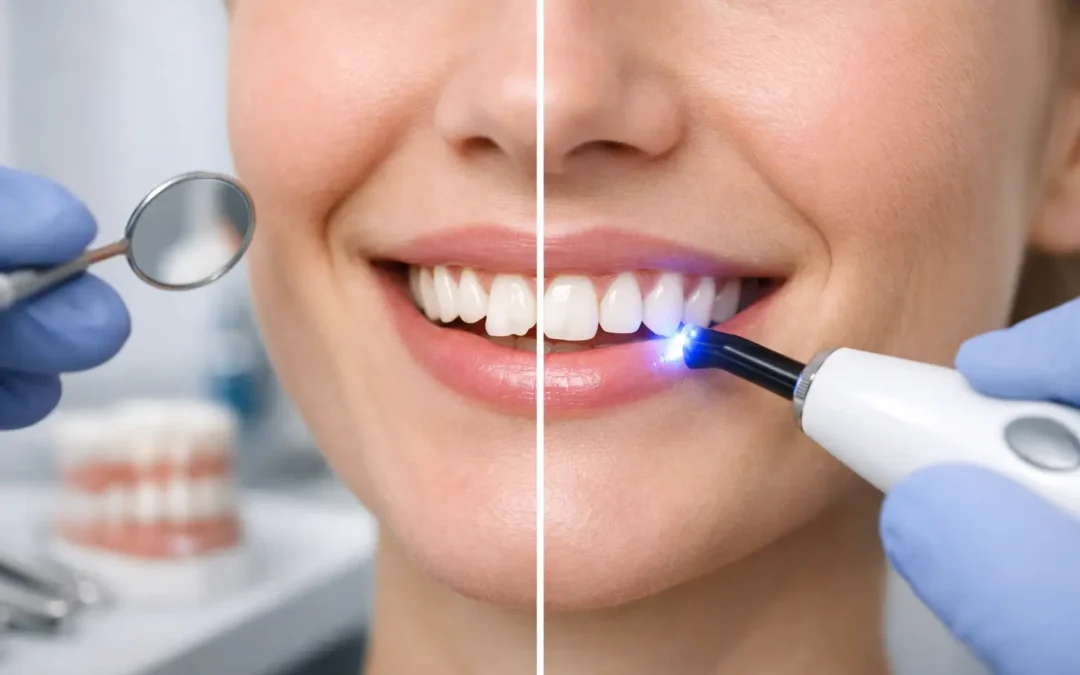
A chipped front tooth can make you suddenly notice your smile in every photo, conversation, and video call. The good news is that dental bonding for chipped teeth is often a conservative, attractive way to restore the tooth’s shape without extensive treatment. For many patients, it can turn an uneven edge into a natural-looking smile in just one visit.
A chip may happen after biting something hard, taking a fall, playing sports, or grinding your teeth at night. Sometimes, it develops gradually as enamel wears down. Whatever caused it, the right solution depends on more than appearance. Your dentist will look at the chip’s size, the condition of the tooth, your bite, and the long-term result you want.
What Is Dental Bonding for Chipped Teeth?
Dental bonding uses a tooth-colored composite resin to rebuild a small missing area of enamel. The resin is carefully selected to blend with your natural tooth color, shaped by the dentist, and hardened with a curing light. The final surface is polished so it feels smooth and reflects light similarly to surrounding enamel.
For a small chip, this is usually a straightforward procedure. In many cases, little or no tooth structure needs to be removed. That is one reason bonding can be appealing to patients who want a noticeable cosmetic improvement while preserving as much natural enamel as possible.
Bonding is commonly used on front teeth because these teeth are highly visible and often experience minor chips along their edges. It may also help improve the look of uneven edges, small gaps, mild discoloration, or slight irregularities in tooth shape.
What to Expect During Your Appointment
Most bonding appointments are comfortable and do not require anesthesia, especially when the chip is small and the tooth is not sensitive. Your dentist will first examine the tooth and may take digital images or X-rays if there is any concern that the injury extends beyond the enamel.
The tooth surface is gently prepared so the composite can adhere securely. Your dentist then applies the resin in thin layers, shaping it to recreate the original contour of the tooth. Once the material is hardened, the tooth is refined and polished. The goal is not simply to fill in a missing corner, but to make the repaired tooth look balanced beside the teeth around it.
You can usually eat and drink normally after the procedure, although it is wise to avoid biting hard foods directly with the bonded tooth right away. If the chip happened because of an injury, your dentist may also recommend a follow-up visit to make sure the tooth remains healthy over time.
How Long Does Dental Bonding Last?
With good care, dental bonding can often last several years. Its lifespan varies because composite resin is not as strong as natural enamel or porcelain. A person who bites pens, chews ice, opens packages with their teeth, or grinds at night will place more stress on the repair than someone who avoids those habits.
Bonding can also pick up stains over time, especially from coffee, tea, red wine, tobacco, and deeply colored foods. Regular cleanings help keep your smile fresh, but bonded material does not whiten in the same way natural teeth do. If you are considering professional teeth whitening, it is often best to discuss timing with your dentist first so the bonding color can be matched to your preferred shade.
A small repair can sometimes be polished, touched up, or replaced if it chips or stains. This makes bonding a flexible option, though it may require maintenance over the years.
When Bonding Is a Good Fit
Dental bonding is often a strong choice when the chip is minor, the tooth is otherwise healthy, and you want a quick, conservative repair. It can be particularly helpful for patients who are preparing for a special occasion, returning to school, or simply ready to feel more comfortable smiling.
It may also be a practical choice for children and teens. Younger patients’ teeth and bites are still changing, so a conservative solution can be useful while the dentist monitors development. If a child or teen has chipped a tooth, prompt evaluation matters. Even a small-looking chip can occasionally involve deeper tooth layers or affect the tooth’s nerve.
For adults, bonding can be an excellent way to correct a single imperfection without committing to a more extensive cosmetic treatment. However, the best option is not always the fastest one. A dentist should assess why the tooth chipped in the first place. If teeth are crowded, worn, or meeting unevenly when you bite, correcting the underlying issue may help protect the repair.
When a Veneer or Crown May Be Better
Bonding has clear advantages, but it is not the right answer for every chipped tooth. If a large section of the tooth is missing, the tooth has a major crack, or there is significant decay, a stronger restoration may be needed.
A porcelain veneer may be considered when the concern is primarily cosmetic but more extensive than a small chip. Veneers can offer excellent stain resistance and durability, though they generally require some enamel preparation and involve a larger investment than bonding.
A dental crown may be the better choice if the tooth has been weakened by a large fracture, extensive filling, or root canal treatment. A crown covers and protects the tooth more fully. If the tooth nerve has been damaged, treatment may involve a root canal before the final restoration is placed.
Your dentist may also recommend orthodontic treatment if the chip is linked to a bite issue, crowding, or teeth that extend forward and are more vulnerable to injury. For patients who grind their teeth, a custom night guard can reduce pressure on both natural enamel and bonded areas.
What If the Tooth Is Painful?
Sensitivity, pain when biting, swelling, a loose tooth, or a chip that exposes a sharp or dark inner area should be evaluated promptly. These symptoms can signal that the damage is more than cosmetic. Until you are seen, avoid chewing on that side and save any broken tooth fragment if you can.
If a sharp edge is irritating your tongue or cheek, dental wax may provide temporary comfort. Do not try to smooth the tooth yourself, and do not use household glue to reattach a broken piece. A professional exam is the safest way to protect the tooth and prevent a small problem from becoming more complicated.
Caring for a Bonded Tooth
A bonded tooth does not need a complicated routine. Brush twice daily with a soft-bristled toothbrush, floss every day, and keep up with regular dental checkups and cleanings. These visits allow your dentist to check the bonded area, your bite, and the health of the surrounding tooth.
To help protect the repair, avoid chewing ice, hard candy, and nonfood items. Use scissors instead of your teeth to open packaging. If you participate in contact sports, wear a properly fitted mouthguard. If you wake with jaw soreness or notice wear on your teeth, ask about a night guard.
It also helps to be realistic about color. Bonding can be beautifully matched to your current teeth, but it can stain and may need polishing or replacement eventually. Patients who want a brighter overall smile should discuss whitening and cosmetic planning before selecting the final bonding shade.
A Small Repair Can Make a Meaningful Difference
A chipped tooth may seem minor, but it can affect comfort, confidence, and how you protect your smile. At Smile Perfection Dental & Orthodontics, a careful evaluation can determine whether bonding is the right next step or whether another treatment will provide better long-term support.
If you have noticed a chip, rough edge, or new sensitivity, scheduling an exam sooner rather than later gives you more options. A thoughtful repair can help your tooth feel natural again and let you smile without giving that small chip a second thought.