
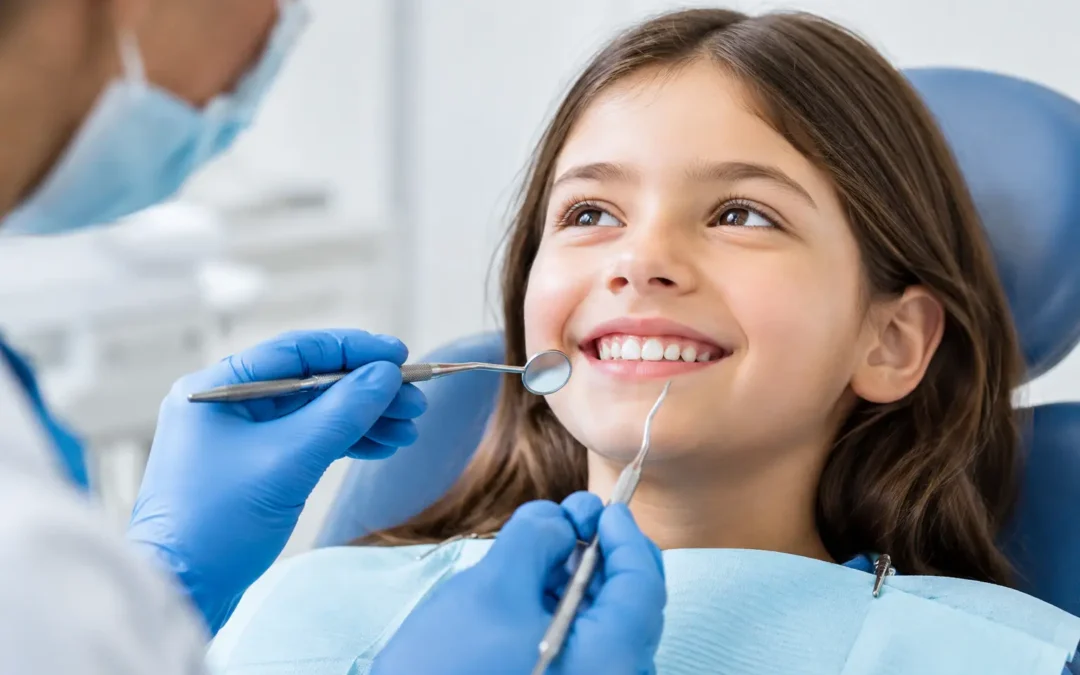
A child’s back teeth can look perfectly healthy at a checkup and still be difficult to keep completely clean. Molars have tiny grooves that hold onto food particles and bacteria, especially while children are learning consistent brushing habits. Dental sealants offer a simple, preventive way to protect those chewing surfaces before a cavity has the chance to start.
For families in Pembroke Pines, Boynton Beach, Royal Palm Beach, and nearby South Florida communities, sealants can be a practical addition to regular cleanings, fluoride care, and at-home brushing. They are quick to apply, comfortable for most patients, and designed to give cavity-prone teeth an extra layer of protection.
What Are Dental Sealants?
Dental sealants are thin protective coatings placed on the chewing surfaces of back teeth, usually the premolars and molars. The material flows into the natural pits and grooves of the tooth, then hardens into a smooth barrier. That barrier helps keep food, plaque, and cavity-causing bacteria out of areas a toothbrush may not reach well.
Sealants are most often recommended for children and teens soon after their permanent molars come in. The first permanent molars commonly appear around age 6, while the second set usually arrives around age 12. Protecting these teeth early can be especially helpful because their grooves are often deep and narrow.
Adults can benefit from dental sealants, too. If an adult has healthy molars with deep grooves and no fillings or decay on the chewing surface, a dentist may recommend sealants as part of a personalized prevention plan. The right choice depends on the tooth’s condition, cavity history, oral hygiene, and overall risk for decay.
Why Molars Need Extra Protection
Your child may brush twice a day and still have trouble cleaning every ridge of a molar. Bristles are excellent at cleaning broad, accessible surfaces, but they cannot always reach into very narrow fissures. Over time, bacteria can use trapped sugars and starches to produce acids that weaken enamel.
This is why cavities often develop on the chewing surfaces of back teeth. Sealants do not replace brushing, flossing, professional cleanings, or fluoride. Instead, they support those habits by closing off vulnerable grooves where decay can begin.
For parents, the value is straightforward: prevention is usually easier, more comfortable, and less costly than treating a cavity after it forms. A sealant appointment can help a child avoid the need for a filling in a tooth that may need to last for decades.
What Happens During a Sealant Appointment?
Applying a sealant is a noninvasive procedure that typically does not require numbing, drilling, or removing tooth structure. Many children are surprised by how fast it feels.
First, the dental team cleans and dries the tooth. A gentle solution is then placed on the chewing surface for a short time to help the sealant bond securely. The tooth is rinsed and dried again, and the sealant material is painted into the grooves. A special curing light hardens the coating in seconds.
Once finished, the dentist checks the bite and makes sure the sealant sits comfortably. Your child can usually eat and drink right away unless the dentist gives different instructions based on another treatment completed during the visit.
At Smile Perfection Dental & Orthodontics, our team takes time to explain preventive care in family-friendly language, so children and parents know what to expect before treatment begins. A calm, positive experience can make routine dental visits feel much easier over time.
Are Dental Sealants Safe?
Dental sealants have been used in dentistry for many years and are widely considered a safe preventive treatment. The materials are applied only to the tooth surface and are carefully evaluated for dental use. Parents who have questions about ingredients, allergies, or their child’s health history should bring them up during the visit so the dentist can provide individualized guidance.
It is also helpful to know that sealants are not permanent, but they are durable. They can last for several years with normal chewing and good oral care. During routine checkups, the dentist will examine each sealant for wear, chips, or areas that need to be touched up or replaced.
Hard, sticky foods and habits such as chewing ice can shorten the life of a sealant, just as they can damage natural enamel or dental restorations. Even when a sealant wears down, it can often be repaired or reapplied quickly.
Who Is a Good Candidate for Sealants?
Children and teens are the most common candidates, particularly when newly erupted permanent molars are cavity-free. The earlier a sealant is placed after the tooth comes in, the sooner it can begin protecting the vulnerable chewing surface.
Still, age alone does not determine whether a sealant is appropriate. A dentist may consider a patient’s history of cavities, diet, brushing ability, orthodontic treatment, enamel shape, and fluoride exposure. Children with a higher risk of tooth decay may benefit from sealants on more than one tooth, while others may need a different prevention strategy.
Sealants are generally placed on healthy teeth. If a tooth already has decay or a filling on the chewing surface, the dentist will discuss the appropriate restorative treatment instead. This is one reason regular exams matter: early detection gives your family more options.
Sealants, Fluoride, and Good Home Care Work Together
It is easy to think of sealants as a one-time fix, but healthy smiles are built through daily habits and regular professional care. Sealants protect the grooves of certain teeth. Fluoride helps strengthen enamel across the mouth. Brushing with fluoride toothpaste and flossing remove plaque from the surfaces sealants cannot cover, including between teeth and along the gumline.
For younger children, parents may need to help with brushing until they have the coordination to clean thoroughly on their own. A useful rule is to supervise or assist until a child can write neatly and consistently. Limiting frequent sugary snacks, sweet drinks, and sipping on juice or sports drinks also reduces the amount of acid exposure teeth face throughout the day.
If your child has braces, oral hygiene can become more challenging because brackets and wires create additional areas for plaque to collect. Sealants may still be useful for exposed chewing surfaces, but the dentist will evaluate timing and access based on the orthodontic plan.
What About Insurance and Cost?
Many dental insurance plans provide coverage for sealants for children, often on permanent molars and within certain age limits. Coverage varies by plan, so it is wise to check benefits before the appointment. Our office can help patients understand available insurance information and discuss treatment recommendations clearly.
Even when coverage is limited, sealants are often viewed as a worthwhile preventive investment. Treating decay may involve a filling and, if the cavity grows deeper, more extensive care. Of course, every family’s needs and budget are different. The best decision comes from an honest conversation about your child’s risk level and the condition of each tooth.
When Should Your Child Be Evaluated?
If your child’s first or second permanent molars have recently erupted, mention sealants at the next dental checkup. You do not need to wait for pain, discoloration, or a visible problem. In fact, sealants work best when they are placed before decay begins.
A regular exam gives the dentist a chance to look closely at the grooves of each tooth, review cavity risk, and recommend care that fits your child rather than applying a one-size-fits-all approach. Small preventive steps taken now can help protect the confident, healthy smile your child brings to school photos, family gatherings, and every milestone ahead.