
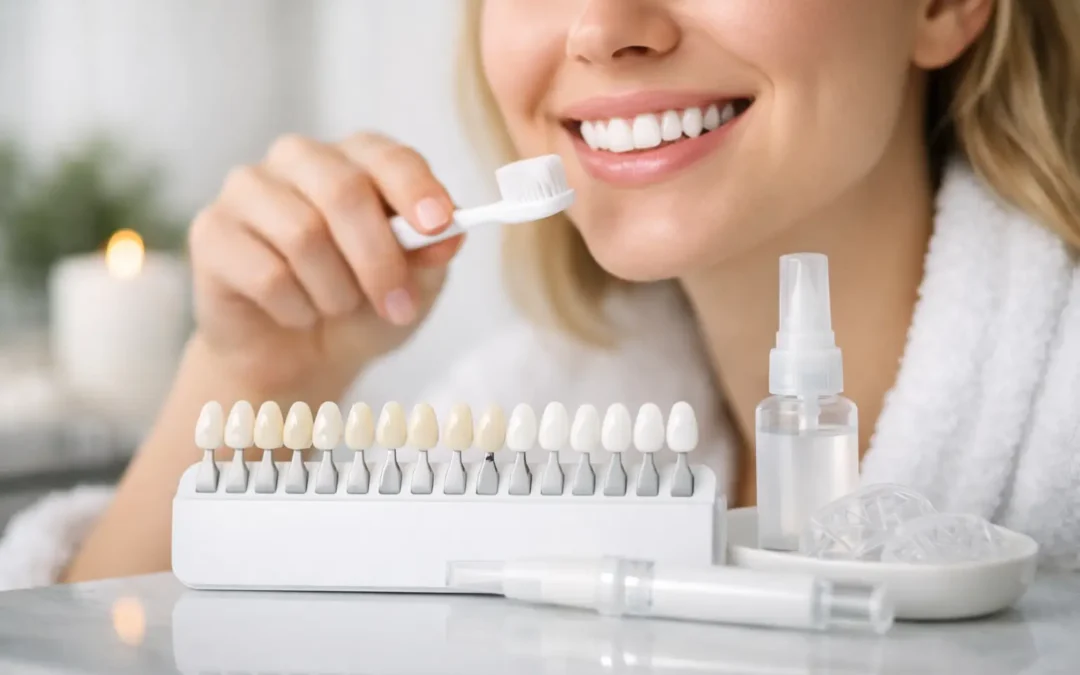
A brighter smile should not come with sharp, lingering pain. If cold water, sweet foods, or even a breath of cool air can make your teeth twinge, finding the best whitening for sensitive teeth means putting comfort ahead of the fastest possible result. The right approach can still make a meaningful difference in your smile, but it should respect the health of your enamel, gums, and tooth nerves.
For many patients, sensitivity is not a reason to give up on whitening. It is a reason to choose the method carefully, use it at the right pace, and involve a dental professional when needed.
Why whitening can make teeth feel sensitive
Most whitening treatments use peroxide-based ingredients that break up stains below the tooth surface. That process is effective, but the active ingredients can temporarily move through tiny pathways in enamel and dentin, irritating the nerve inside the tooth. The result may be a quick zing, a dull ache, or sensitivity that lasts for a day or two.
Sensitivity is more likely when whitening is used too often, left on too long, or applied to teeth with worn enamel, gum recession, cavities, cracks, or exposed root surfaces. A stronger product is not automatically a better product. In fact, when teeth are already sensitive, an aggressive whitening routine can make it harder to continue treatment comfortably.
There is another important point: not every tooth discomfort is ordinary whitening sensitivity. Pain in one specific tooth, pain that wakes you up, swelling, or sensitivity that persists well after whitening should be evaluated by a dentist. Whitening does not treat tooth decay, gum disease, a damaged filling, or a cracked tooth, and it may aggravate those concerns.
Best whitening for sensitive teeth starts with an exam
The safest first step is a dental exam and cleaning. Surface buildup and stains can sometimes make teeth look darker than they truly are, and a professional cleaning may brighten your smile before whitening even begins. An exam also helps identify whether sensitivity is related to enamel wear, recession, cavities, leaking restorations, or another issue that should be addressed first.
At Smile Perfection Dental & Orthodontics, whitening can be planned around your individual smile rather than a one-size-fits-all product schedule. That matters because the best choice depends on your starting shade, the cause of discoloration, existing dental work, and how easily your teeth become sensitive.
Professional whitening often provides the greatest control. Your dental team can recommend an appropriate whitening strength, monitor your response, and adjust wear time or frequency if sensitivity develops. Custom trays can be especially helpful because they hold whitening gel more evenly against the teeth and reduce the chance of gel irritating the gums.
Patients who want a more noticeable change may benefit from an in-office whitening option, while those who prefer gradual improvement may do better with dentist-supervised take-home trays. Neither path is universally best. The right one is the method that gives you a healthy-looking result without pushing your teeth beyond their comfort level.
Whitening options and the comfort trade-offs
Dentist-supervised custom trays
Custom trays are often a strong option for people with sensitive teeth because treatment can be paced. Rather than trying to achieve a dramatic change in one session, you may whiten for shorter periods or every other day. This slower approach gives teeth time to recover while still building toward a brighter shade.
The trade-off is patience. Results are gradual, and you need to follow the instructions closely. Still, many sensitive-teeth patients find that consistent, lower-intensity treatment is easier to tolerate than repeated use of over-the-counter strips.
In-office whitening
In-office whitening can create a more immediate color change under professional supervision. It may be a good fit before a wedding, graduation, family photos, or another important event. Your dentist can protect your gums and watch for discomfort throughout the appointment.
However, patients with a history of strong sensitivity may need a more conservative approach. Even when treatment is carefully managed, a higher-intensity session can cause temporary sensitivity afterward. Pre-treatment with a desensitizing product, shorter sessions, or a staged plan may be recommended.
Over-the-counter strips and whitening toothpaste
Store-bought strips are convenient and can help with mild surface staining, but they do not fit every smile precisely. If strips overlap the gums or are used more frequently than directed, irritation and sensitivity can follow. They are usually best for patients with healthy teeth and mild sensitivity who are willing to stop or space out treatment at the first sign of discomfort.
Whitening toothpaste can remove some surface stains from coffee, tea, red wine, and tobacco, but it will not change the natural color of teeth as much as peroxide whitening. Some formulas are abrasive, which may be a poor match for exposed dentin or weakened enamel. A sensitivity toothpaste with gentle stain removal is often a better everyday choice than a highly abrasive whitening formula.
How to whiten without making sensitivity worse
A few small adjustments can make a major difference. Start by using a toothpaste designed for sensitive teeth for at least one to two weeks before whitening. These toothpastes can help block the pathways that carry sensation to the tooth nerve. Continue using it throughout treatment, and ask your dentist whether applying a small amount in your custom tray for a short period may be appropriate.
Follow the recommended treatment time exactly. Leaving gel or strips on longer does not guarantee whiter teeth, but it can increase irritation. If sensitivity appears, take a break for a day or two instead of trying to push through it. Many patients do well by whitening every other day or by shortening each application.
Avoid stacking multiple whitening products at once. Using strips, whitening toothpaste, whitening mouthwash, and an in-office service in the same period can overwhelm sensitive teeth. Choose one primary treatment plan and keep your daily home care gentle.
It also helps to limit highly acidic foods and drinks while whitening. Citrus, soda, sports drinks, and frequent sipping of acidic beverages can soften enamel temporarily. If you enjoy coffee or tea, rinsing with water afterward is a simple habit that can reduce staining and support a more comfortable whitening routine.
Important limits of whitening treatment
Whitening works on natural tooth enamel. It does not lighten crowns, veneers, bonding, fillings, or implants. If you have visible dental work near the front of your smile, whitening may create a color mismatch. Your dentist can help you plan the order of cosmetic treatment so any new restoration is selected to match your brighter shade.
The cause of discoloration also matters. Yellowing from age, coffee, tea, or tobacco often responds well. Gray discoloration from trauma, certain medications, or internal changes in a tooth may respond less predictably and may need a different cosmetic solution.
Pregnant or nursing patients, children, and anyone with untreated dental problems should speak with a dentist before whitening. Patients with active gum inflammation, significant recession, or extensive enamel erosion may need treatment for those conditions before pursuing cosmetic whitening.
When sensitivity means it is time to call the dentist
Mild, short-term sensitivity can be common. But stop whitening and schedule an evaluation if you have severe pain, gum burning, white patches on the gums, swelling, a broken tooth, or sensitivity that does not improve after several days. These symptoms deserve attention, especially if they affect one tooth more than the others.
A dentist can often make whitening more comfortable by treating the underlying issue first, recommending desensitizing care, or changing the treatment plan. The goal is not simply a whiter smile. It is a smile that looks brighter and still feels healthy when you enjoy an iced drink, share a meal with family, or laugh without thinking about your teeth.
A comfortable whitening plan is usually the one you can follow steadily, with professional guidance when you need it. Give your smile time, listen to any warning signs, and choose care that protects your long-term oral health as well as your confidence.