
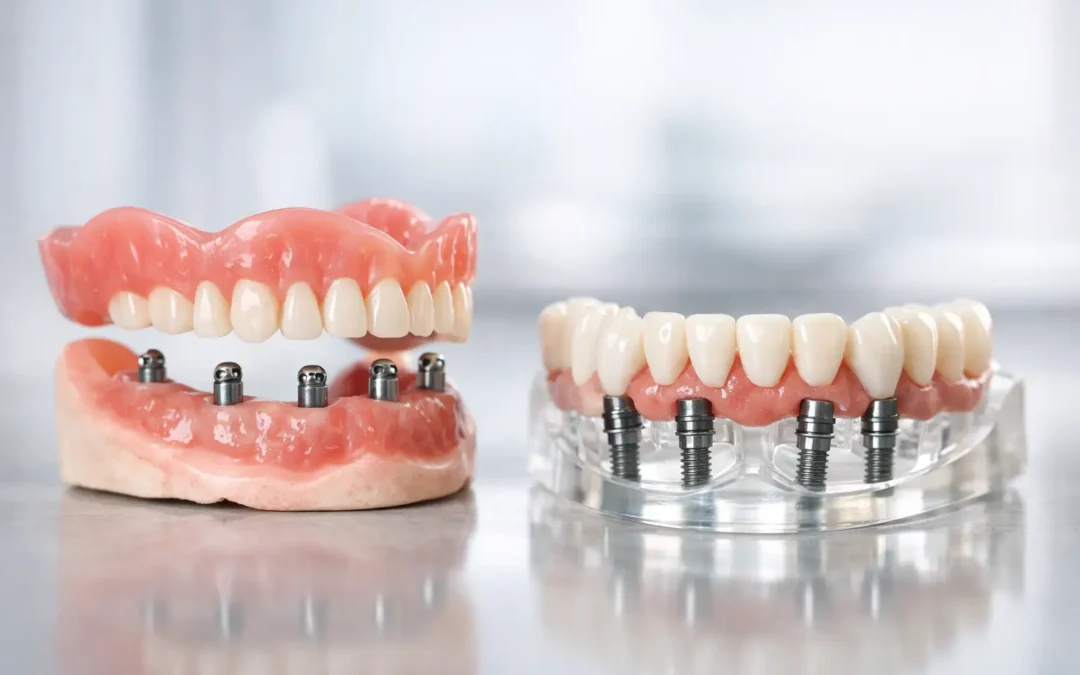
If you are tired of loose dentures, sore spots, or avoiding certain foods, an implant supported dentures comparison is a smart place to start. Many patients know they want a more secure smile, but they are not always sure which type of implant denture makes the most sense for their needs, budget, and lifestyle. The right answer often depends on how much support you need, how much bone is available, and what kind of daily routine feels manageable.
Traditional dentures rest on the gums. Implant-supported dentures are anchored to dental implants placed in the jawbone, which creates a much more stable fit. That added stability can make a big difference when you eat, speak, and smile, but not all implant denture options work the same way.
Implant supported dentures comparison: the main options
Most patients comparing implant-supported dentures are really choosing between two broad categories: removable overdentures and fixed full-arch prosthetics. Both use implants. Both improve retention compared with traditional dentures. The difference is how they attach, how they feel day to day, and how they are cleaned.
A removable overdenture snaps onto implants but can still be taken out at home. A fixed full-arch prosthetic is attached more permanently and is removed by the dentist during maintenance visits rather than by the patient each night. That distinction matters more than many people expect because it affects comfort, hygiene, cost, and long-term expectations.
Removable implant-supported overdentures
Removable overdentures are often the starting point for patients who want a major improvement over conventional dentures without committing to a fixed restoration. They usually connect to two or more implants, depending on the arch and the treatment plan. Once secured, they are more stable than a traditional denture, but they still come out for cleaning.
For many people, this option hits a practical middle ground. It can reduce slipping, improve chewing, and help patients feel more confident in social settings. It is also often more budget-friendly than a fixed option because fewer implants may be needed and the prosthesis itself is generally simpler.
That said, removable does not mean identical to natural teeth. Some movement may still occur, especially compared with fixed solutions. The denture base can also still cover a larger area of gum tissue or the palate, depending on the design. Patients who want the strongest possible “teeth-like” feel sometimes find overdentures helpful but not quite ideal.
Fixed implant-supported dentures
Fixed implant-supported dentures, sometimes called a fixed full-arch bridge, are designed to stay in place. They are attached to multiple implants and do not come out daily. This option tends to feel more secure and more natural during eating and speaking, which is a major reason many patients prefer it.
A fixed solution often allows for stronger bite function and less concern about shifting at meals or during conversation. Many patients also appreciate the psychological benefit of having teeth that remain in place all the time. For someone who has struggled with unstable dentures for years, that can be life-changing.
The trade-off is that fixed options usually involve a higher upfront investment and may require more implants, more planning, and enough healthy bone to support the restoration. Cleaning is also different. You do not remove the prosthesis, so daily hygiene requires brushing carefully around the restoration and using tools recommended by your dental team.
Comparing comfort, function, and confidence
When patients ask for an implant supported dentures comparison, comfort is usually one of the first concerns. Implant support reduces the gum pressure that traditional dentures create, which often means fewer sore spots and less irritation. Because implants help stabilize the prosthesis, chewing can feel more controlled and speech can feel more natural.
Removable overdentures are often a big comfort upgrade from traditional dentures, especially for the lower arch, where regular dentures tend to move the most. Fixed restorations generally go a step further. They tend to provide the highest level of stability, which can make crunchy foods, firmer meats, and everyday conversation feel easier.
Confidence is harder to measure, but patients notice it quickly. Some feel completely comfortable with a removable snap-in denture once it is secure. Others strongly prefer the peace of mind that comes with a non-removable option. Neither preference is wrong. It depends on what helps you feel most at ease in daily life.
Bone support and long-term oral health
One of the less obvious benefits in an implant supported dentures comparison is bone preservation. When teeth are missing, the jawbone gradually shrinks over time because it is no longer being stimulated by tooth roots. Dental implants help provide that stimulation, which can slow bone loss.
This matters for both appearance and function. Bone loss can affect how dentures fit, how facial contours look, and whether future treatment options remain available. Implant-supported solutions can help support the jaw more effectively than traditional dentures alone.
Still, not every patient starts with the same amount of bone. Some people are excellent candidates right away. Others may need preparatory treatment, such as extractions, periodontal therapy, or bone grafting. A proper exam with digital imaging is what turns a general comparison into a recommendation tailored to your mouth.
Maintenance is where the choice becomes personal
A lot of treatment decisions come down to one simple question: what kind of maintenance are you comfortable with?
Removable overdentures are easier for many patients to clean because they come out. You can brush the denture, clean the attachment area, and maintain the gums more directly. For older adults, patients with limited dexterity, or anyone who wants a simpler hygiene routine at home, this can be a real advantage.
Fixed restorations stay in place, which many patients love, but they do require consistent home care and regular professional maintenance. Food and plaque can collect around the prosthesis if hygiene is not thorough. That does not make fixed options a poor choice. It simply means the best option is the one you can care for well over time.
Cost differences and what affects the price
Cost is a valid part of any implant supported dentures comparison. In most cases, removable overdentures cost less than fixed full-arch options. The number of implants, the materials used, any preparatory procedures, and the complexity of the case all influence the final fee.
A lower initial cost does not always mean lower long-term value, and a higher upfront cost does not automatically mean better for every patient. A removable option may be exactly right for someone who wants more stability without stretching beyond their budget. A fixed option may be worth the investment for a patient who prioritizes maximum function and wants the closest experience to natural teeth.
This is also why clear treatment planning matters. When patients understand what they are paying for, how long the restoration is expected to last, and what maintenance is required, they can make a more confident decision.
Who is a good candidate for each option?
Removable overdentures often work well for patients who want improved stability, have concerns about cost, or prefer the ability to remove their denture for cleaning. They can also be a strong option for people transitioning from traditional dentures who want a more secure next step.
Fixed implant-supported dentures often appeal to patients who want the most secure fit, stronger chewing ability, and a more natural day-to-day experience. They can be especially attractive to people who dislike the idea of removing dentures at night or who want the feel of a more permanent restoration.
Health history matters too. Gum health, smoking history, uncontrolled medical conditions, and bone levels can all affect candidacy. That is why a personalized consultation is so important. At a practice like Smile Perfection Dental & Orthodontics, patients benefit from a team approach that can evaluate both the restorative and implant side of treatment in one place.
What matters most in an implant supported dentures comparison
The best choice is not the most expensive one or the one your neighbor picked. It is the one that fits your anatomy, your comfort level, your budget, and your goals. For some patients, a removable overdenture is a major quality-of-life upgrade and exactly the right solution. For others, a fixed full-arch restoration provides the stability and confidence they have been missing for years.
If you are weighing your options, focus on how you want your teeth to feel in everyday life. Think about meals, cleaning, speaking, comfort, and what kind of maintenance you can realistically keep up with. A thoughtful consultation can turn those priorities into a treatment plan that feels right, not rushed.
A more secure smile can do more than improve chewing. It can make everyday moments feel easy again, and that is often where the real value begins.