
A missing tooth changes more than your smile. It can make meals less comfortable, affect the way you speak, and leave you wondering whether other people notice the gap before they notice you. That is why dental implants have become such a trusted option for adults who want a replacement that looks natural, feels secure, and supports long-term oral health.
For many patients, the hardest part is not the treatment itself. It is figuring out whether implants are the right choice, what the process involves, and whether the result will really feel like their own tooth again. The good news is that with the right evaluation, clear planning, and experienced care, implants can be one of the most predictable and rewarding treatments in modern dentistry.
What dental implants actually replace
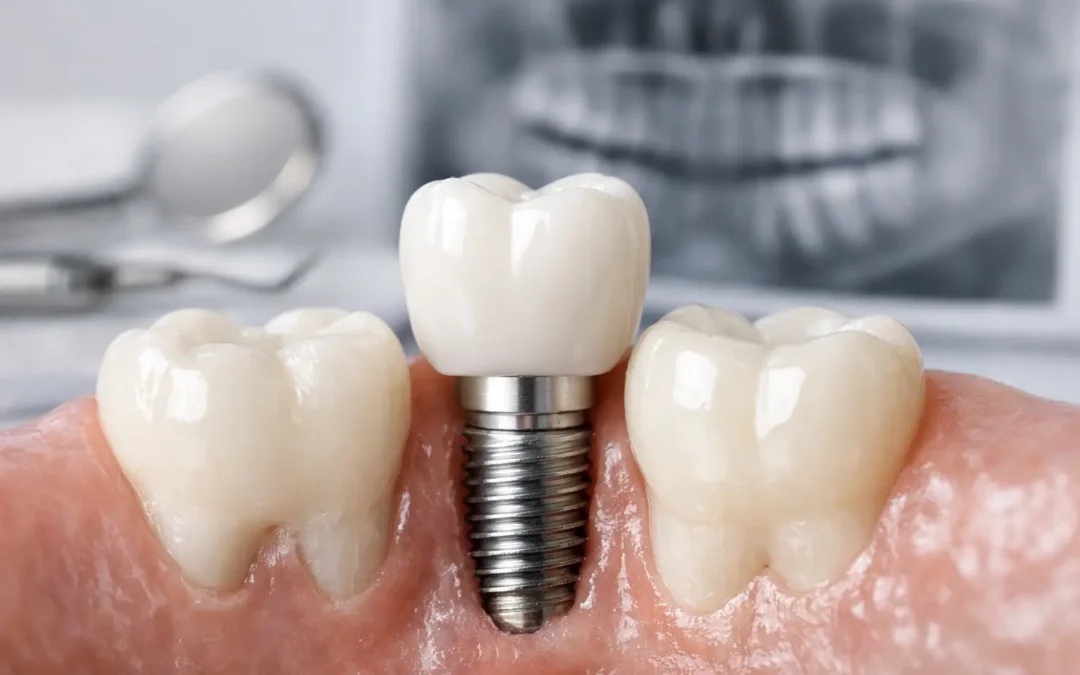
A dental implant is designed to replace the root of a missing tooth, not just the part you see above the gums. A small titanium post is placed in the jawbone, where it gradually bonds with the bone over time. Once that foundation is stable, a custom restoration such as a crown, bridge, or denture is attached.
That root-level support is what makes implants different from other options. A traditional bridge relies on neighboring teeth for support. A removable denture rests on the gums and may shift during eating or speaking. An implant stands on its own, which helps create a more natural feel and better bite function.
For patients who have struggled with a loose denture or who are tired of avoiding certain foods, that difference matters every day.
Why so many patients choose dental implants
The biggest appeal of dental implants is simple. They are built to restore both function and confidence.
When a tooth is missing, the jawbone in that area can begin to shrink over time because it no longer gets regular stimulation from chewing. An implant helps preserve that bone by acting like a replacement root. This can support facial structure and help maintain a healthier foundation for the future.
Patients also appreciate how natural implants can look. A well-made implant crown is shaped and shaded to blend with your smile, so the restored tooth does not stand out. Just as important, it is fixed in place. You do not remove it at night, worry about adhesive, or expect it to move when you laugh or eat.
There is also a practical side. Implants can replace one missing tooth, several missing teeth, or even support a full arch in certain cases. That flexibility makes them a strong option for many adults, whether the tooth loss is recent or something they have lived with for years.
Who may be a good candidate for dental implants
Many healthy adults are candidates for implants, but not every case is exactly the same. A proper evaluation looks at your gums, jawbone, overall oral health, and medical history.
If you have enough healthy bone to support an implant and your gums are in good condition, treatment may be fairly straightforward. If bone loss has already occurred, a bone graft may be recommended first. That can sound intimidating, but it is often a routine step that helps create the support needed for long-term success.
It also depends on habits and health factors. Smoking, uncontrolled diabetes, active gum disease, and certain medical conditions can affect healing. None of these automatically rule out implants, but they do mean planning matters even more.
This is where a comprehensive practice can make the process easier. When general dentists, specialists, and advanced imaging are all part of the same care experience, patients get answers faster and treatment can be coordinated more smoothly.
The dental implants process step by step
One reason people delay treatment is that they assume the process will be overwhelming. In reality, it is usually completed in clear stages, with each step focused on safety, healing, and long-term stability.
Consultation and imaging
The first visit is about understanding your needs and your mouth. Digital imaging helps evaluate bone levels, tooth position, and the anatomy of the area. Your dentist will review whether an implant is the best option, what type of restoration may be used, and whether any preparatory treatment is needed.
This appointment is also your chance to ask practical questions about timing, comfort, cost, and recovery. Patients often feel more confident once they see that the treatment plan is personalized rather than one-size-fits-all.
Implant placement
The implant post is placed into the jawbone during a minor surgical procedure. Local anesthesia is typically used, and some patients may choose sedation options for added comfort. Most people are surprised that the placement itself is more manageable than they expected.
After the procedure, a healing period allows the implant to fuse with the bone. This process, called osseointegration, is what gives implants their strength and stability.
Final restoration
Once healing is complete, the implant is restored with a custom crown, bridge, or implant-supported denture. The final result is designed to fit comfortably, function properly, and blend naturally with your smile.
The full timeline varies. Some patients move through the process more quickly, while others need extra healing time or preparatory procedures. It depends on the condition of the bone, the number of teeth being replaced, and the complexity of the case.
What recovery is usually like
Patients often expect recovery to be harder than it is. Mild soreness, swelling, and tenderness are common after implant placement, especially in the first few days. These symptoms are usually manageable with medication, soft foods, and good home care.
Most people return to normal routines quickly, though healing under the gums continues for much longer. Following post-op instructions matters. That includes keeping the area clean, avoiding habits that interfere with healing, and attending follow-up visits.
If anxiety has kept you from exploring treatment, this part is worth hearing clearly: implant care should feel supportive from beginning to end. A caring dental team will explain each step, check on your comfort, and make sure you know what to expect before you leave the office.
Implants compared with bridges and dentures
There is no single solution that is right for everyone. The best treatment depends on your goals, your oral health, your budget, and how many teeth are missing.
A bridge can be an effective option for replacing a missing tooth, especially when the neighboring teeth already need crowns. It is often completed faster than an implant, but it does require support from nearby teeth.
A denture may be the most practical choice when many teeth are missing or when surgery is not ideal. Today’s dentures can look much better than people expect, but removable appliances still come with differences in feel and stability.
Implants usually offer the most natural function and the best long-term bone support. They also involve surgery, healing time, and a higher initial investment. For many patients, that trade-off is worth it. For others, another restorative option may make more sense right now. Honest guidance matters more than a sales pitch.
Long-term care for dental implants
Implants do not get cavities, but they still require daily care. The gums and bone around them need to stay healthy, and the restoration itself needs protection from excessive wear.
Brushing, flossing, and regular dental visits remain essential. Professional cleanings help remove buildup in areas that are harder to reach at home, and routine exams allow your dentist to monitor the implant and surrounding tissues.
If you grind your teeth, a night guard may be recommended. If you have a history of gum disease, you may need closer maintenance. Long-term success is not just about placing the implant well. It is about caring for the whole mouth over time.
Why timing matters after tooth loss
Many people wait because they can still chew on the other side, or because the gap is not visible when they smile. But replacing a missing tooth sooner can make treatment easier.
As time passes, neighboring teeth may shift and bone loss can increase in the empty area. That can complicate future treatment and may require added procedures before an implant can be placed. Even if you are not ready to move forward immediately, it helps to get evaluated early so you understand your options.
At a trusted community practice like Smile Perfection Dental & Orthodontics, that conversation is meant to be informative, not rushed. Patients deserve answers they can understand and a plan that fits their needs, comfort level, and timeline.
Choosing how to replace a missing tooth is personal, and there is no benefit in feeling pressured. But if you have been living with a gap, struggling with a denture, or avoiding treatment because you are unsure where to start, this may be the right time to ask the question. A stronger, more comfortable smile often begins with one clear conversation.