
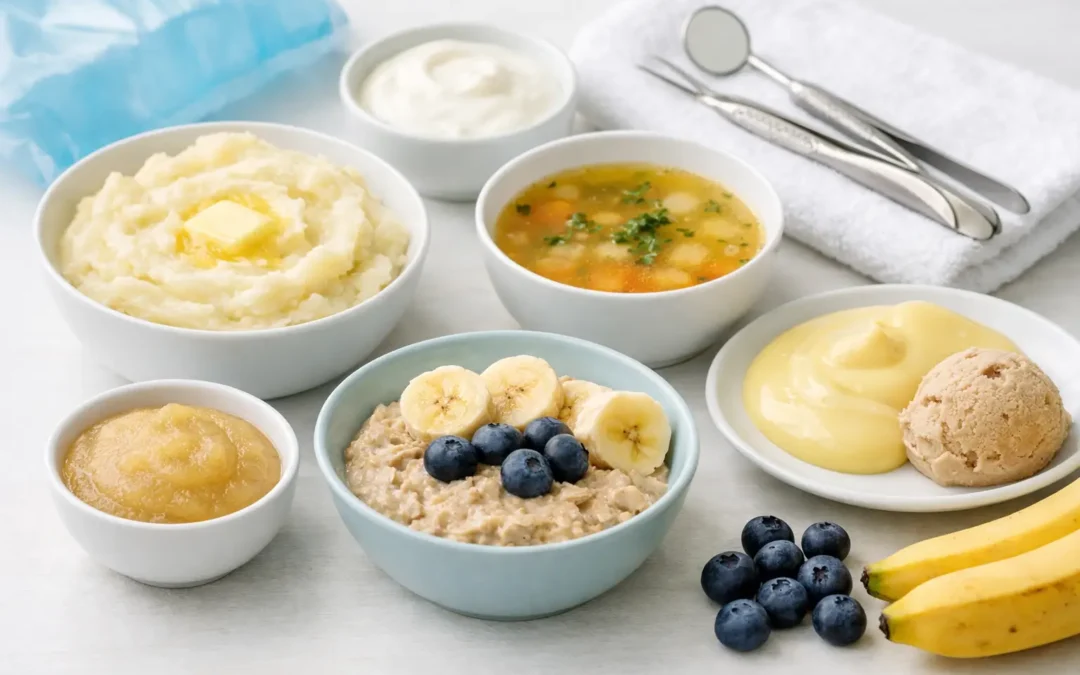
That first meal after an extraction can feel harder than the procedure itself. If you are wondering about the best foods after tooth extraction, the goal is simple – protect the healing area, avoid irritation, and still give your body the nutrition it needs to recover well.
What you eat in the first few days can make a real difference in comfort. The right foods help you avoid disturbing the blood clot, which is essential for proper healing. The wrong foods can slow recovery, increase soreness, or raise the risk of complications like dry socket.
Why the best foods after tooth extraction matter
After a tooth is removed, your body forms a blood clot in the socket. That clot acts like a protective cover over the bone and nerve endings while the tissue heals. Foods that are too hard, crunchy, hot, spicy, or sticky can interfere with that process.
This is why dentists usually recommend soft, mild foods at first. Soft foods reduce pressure on the area. Cooler or lukewarm foods are often more comfortable than anything steaming hot. Bland choices also lower the chance of stinging sensitive tissue.
Healing is not exactly the same for everyone. A simple extraction may allow you to return to more normal eating sooner, while wisdom tooth removal or surgical extraction can require a longer soft-food period. Age, overall health, and how closely you follow aftercare instructions also play a role.
Best foods after tooth extraction in the first 24 hours
The first day is when you want to be the most careful. Focus on foods that need little to no chewing and are smooth enough not to leave pieces behind in the extraction site.
Applesauce is a classic choice because it is easy to eat, gentle on the mouth, and does not require chewing. Yogurt is another good option, especially if it is plain or low in sugar and does not contain granola, seeds, or fruit chunks. Pudding, gelatin, and smooth mashed potatoes also tend to work well.
Soups can be helpful, but temperature matters. Choose broth or blended soups only after they have cooled to lukewarm. Very hot soup can increase bleeding and discomfort. Creamy soups without chunks are usually easier than vegetable or chicken soups with pieces that can get lodged near the socket.
Smoothies can be fine if made carefully. Avoid berries with seeds and do not use a straw. Suction from a straw can dislodge the blood clot, which is one of the main things you want to avoid after an extraction. Instead, sip slowly from a cup.
If you want something a bit more filling, mashed avocado, cottage cheese, or scrambled eggs that are soft and moist may be comfortable for some patients later in the day. The key is to go slowly and stop if chewing causes soreness.
What to eat on days two through five
Once the initial tenderness starts to settle, you can usually add more soft foods with a little texture. This is often the stage when patients get tired of sweet foods and want more substantial meals.
Oatmeal can be a good option as long as it is not too hot and has cooled enough to be comfortable. Soft pasta, macaroni and cheese, rice that is cooked until very soft, and tender noodles are often easier to manage than firmer grains or crusty bread.
Eggs remain one of the best choices because they are soft, high in protein, and easy to prepare in different ways. Soft scrambled eggs, egg salad, or even a finely mashed hard-boiled egg can work depending on your comfort level.
Mashed sweet potatoes, soft baked potatoes without crisp skin, and well-cooked vegetables can help you add more variety. Soft fish may also be a good choice because it flakes easily and usually requires minimal chewing. If you try chicken, make sure it is very tender and cut into small pieces.
During this phase, many people can tolerate soft fruits like bananas. Canned peaches or pears may also be easier than raw fruit, as long as they are soft and not packed with anything irritating.
Best foods after tooth extraction for nutrition and healing
Comfort matters, but nutrition matters too. Your body heals better when it gets enough protein, vitamins, minerals, and fluids. This is especially true if you have had oral surgery, multiple extractions, or an infection.
Protein supports tissue repair. Eggs, Greek yogurt, cottage cheese, tofu, and soft fish are all helpful choices. If chewing is still difficult, blended protein smoothies can help, again as long as you avoid straws and ingredients with seeds.
Vitamin-rich foods can support recovery as well. Sweet potatoes, plain pumpkin puree, bananas, and soft cooked vegetables are easy ways to get nutrients without irritating the area. Hydration is just as important. Sip water regularly throughout the day, because a dry mouth can feel uncomfortable and may not support healing as well.
If your appetite is low, small meals may be easier than trying to eat a full plate at once. Many patients do better with several soft snacks during the day instead of three larger meals.
Foods to avoid after an extraction
Knowing what not to eat is just as important as choosing the right foods. Hard, crunchy foods are among the biggest problems. Chips, popcorn, nuts, crackers, and crusty bread can scrape the area or leave sharp pieces behind.
Sticky foods can also cause trouble. Caramel, chewy candy, and thick nut butters may pull at the healing tissue or feel difficult to manage comfortably. Spicy foods can sting, and acidic foods like citrus may irritate the extraction site.
Small particles are another issue. Rice with firm grains, seeded fruits, granola, and foods with herbs or spice flakes can get trapped in the socket. That does not always cause a problem, but it can make the area feel sore or harder to keep clean.
It is also smart to avoid alcoholic beverages while healing, especially if you are taking pain medication or antibiotics. Very hot drinks should wait as well, at least in the early stage.
A few eating habits that help
Even the best foods after tooth extraction can cause discomfort if you eat too quickly or chew in the wrong area. Try chewing on the opposite side of your mouth whenever possible. Take small bites and let food sit in your mouth long enough to tell whether it feels comfortable before chewing more.
Lukewarm or cool foods are often easier than hot foods, especially in the first day or two. If you notice increased throbbing, pause and switch back to something smoother and softer.
Good aftercare supports eating too. Follow your dentist’s instructions about rinsing, brushing, and activity restrictions. If your extraction site is still very painful after a few days, or if pain gets worse instead of better, that is not something to ignore.
When can you go back to normal foods?
This depends on the type of extraction and how your mouth is healing. Some patients feel ready for softer versions of their normal meals within a few days. Others, especially after wisdom tooth surgery, may need a week or longer before crunchy, chewy, or spicy foods feel safe again.
A good rule is to let comfort guide you, but not too aggressively. Feeling a little cautious is normal. Pushing back into hard foods too early is usually not worth the setback. If a food requires strong biting, creates pressure, or leaves crumbs everywhere, it probably needs to wait.
At Smile Perfection Dental & Orthodontics, we often remind patients that healing is not a race. A few days of careful eating can help you avoid unnecessary pain and protect the results of your treatment.
When to call your dentist
Mild soreness, swelling, and tenderness while eating are common at first. What is not normal is severe pain that starts or worsens several days later, bleeding that does not settle, foul taste or odor, fever, or swelling that seems to increase instead of improve.
If you are unsure whether your healing is on track, it is always better to ask. A quick check can give you peace of mind and help prevent a small issue from becoming a bigger one.
The easiest way to think about food after an extraction is this: choose soft, simple, nourishing meals that let your mouth rest while it heals. A little patience at the table now can make the next several days much more comfortable.