
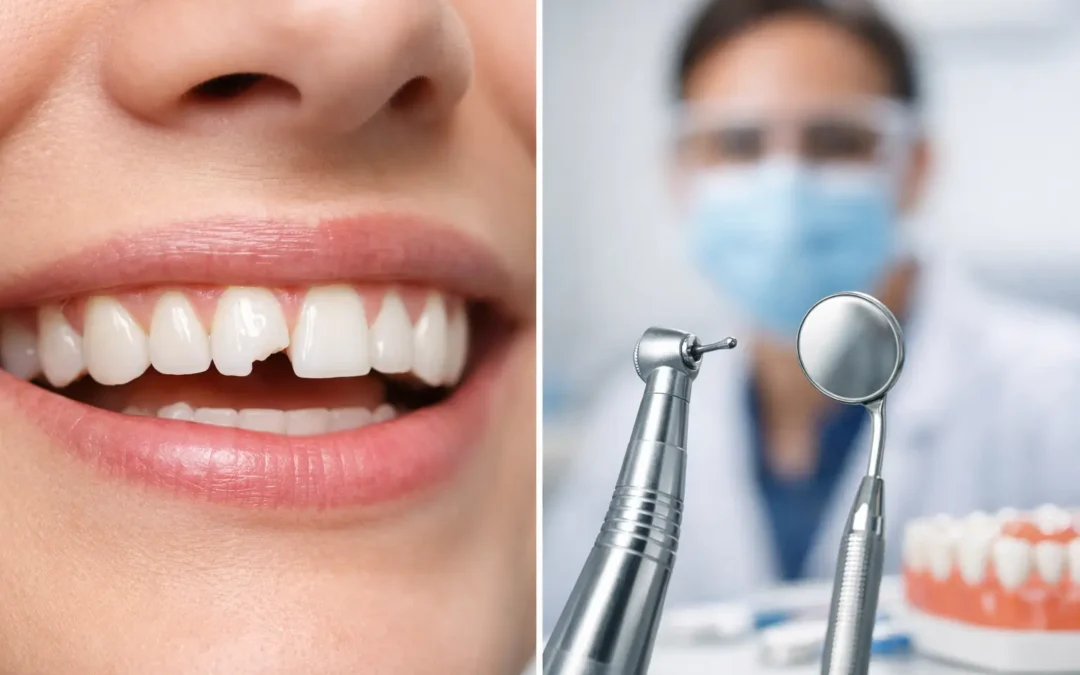
A chip can happen in one quick moment: biting an olive pit, taking a fall during a game, or noticing a rough edge after an old filling gives way. The good news is that, in most cases, the answer to “can a dentist fix chipped teeth” is yes. From a tiny enamel nick to a larger break that affects the tooth’s strength, modern dentistry offers options that can restore comfort, function, and the natural look of your smile.
The right repair depends on more than the size of the chip. Your dentist will look at which tooth is affected, whether the inner nerve is exposed, how your bite comes together, and whether decay, grinding, or trauma contributed to the damage. A prompt exam helps protect the tooth before a small problem turns into sensitivity, infection, or a more extensive fracture.
Can a Dentist Fix Chipped Teeth Without Replacing Them?
Usually, yes. A chipped tooth does not automatically mean it needs to be removed or replaced. Many chips are repaired conservatively by smoothing the enamel, adding tooth-colored material, or covering the tooth with a restoration designed to protect it.
For a very minor chip, especially on a front tooth, dental contouring may be enough. Your dentist gently smooths and reshapes the rough edge so it feels comfortable and blends with the surrounding tooth. This is a simple option when the chip is shallow and does not weaken the tooth.
When a visible piece of enamel is missing, dental bonding is often an excellent choice. The dentist applies a color-matched composite resin, shapes it carefully, and hardens it with a special light. Bonding can rebuild a corner of a front tooth, soften an uneven edge, and improve the appearance of a small chip in a single visit in many cases.
Bonding is conservative and affordable compared with some other cosmetic options, but it is not indestructible. It can stain over time and may chip again if you bite ice, chew pens, or grind your teeth. Your dentist can help you decide whether it is the right long-term fit for your lifestyle and bite.
Treatment Options for a Chipped Tooth
The best treatment should do more than make the tooth look better. It should support the tooth, preserve as much healthy structure as possible, and feel natural when you bite and speak.
Dental bonding for small to moderate chips
Bonding is commonly used for front teeth and small chips that are visible when you smile. It can be matched closely to your natural enamel and usually requires little to no removal of healthy tooth structure. For patients who want a fast, natural-looking repair, it is often the first option to discuss.
Veneers for cosmetic concerns
A porcelain veneer is a thin, custom-made shell bonded to the front surface of a tooth. It may be recommended when a front tooth has a chip along with discoloration, uneven shape, or multiple cosmetic concerns. Veneers are highly stain resistant and can create a refined, long-lasting result, but they generally require some enamel preparation and are a larger investment than bonding.
Crowns for larger breaks or weak teeth
If a substantial portion of the tooth has broken away, or if the tooth is weakened by a large filling or crack, a dental crown may be the safer choice. A crown covers the entire visible portion of the tooth, helping it withstand normal biting forces. This is particularly common for back teeth, where chewing pressure is stronger.
Today’s crowns can be made from durable, natural-looking materials. Digital imaging and careful planning help your dentist create a restoration that fits your bite and complements your smile.
Root canal treatment when the nerve is affected
A deep chip can expose or inflame the pulp, the soft tissue inside the tooth that contains nerves and blood vessels. If that happens, you may need root canal treatment before the tooth is restored with a crown or another protective restoration. While many patients feel anxious about the words “root canal,” treatment is designed to relieve pain and save the natural tooth.
A root canal is not needed for every chipped tooth. Your dentist will evaluate sensitivity, take digital X-rays when appropriate, and check for signs of nerve involvement before recommending treatment.
When Is a Chipped Tooth a Dental Emergency?
Not every chip requires an after-hours visit, but it should not be ignored. Call your dental office promptly if the tooth is painful, bleeding, loose, sharply broken, or sensitive to air, temperature, or pressure. A chip caused by a hard fall, sports injury, or car accident also deserves timely attention, even when the tooth looks mostly intact.
Seek urgent care if you have facial swelling, fever, difficulty swallowing, or severe, worsening pain. These symptoms can point to infection or a more serious injury that needs immediate evaluation.
If you can find the broken piece of tooth, rinse it gently and bring it with you. In some situations, especially with a newly broken front tooth, the dentist may be able to bond the fragment back into place. Do not try to glue it yourself. Household adhesives are not safe for the mouth and can interfere with proper treatment.
Until you are seen, rinse with warm water, avoid chewing on that side, and choose soft foods. A cold compress can help reduce swelling after an injury. If the edge is irritating your tongue or cheek, temporary dental wax from a pharmacy may offer short-term protection.
Why Chipped Teeth Need More Than a Cosmetic Fix
A tiny chip may seem like an appearance issue, but enamel does not grow back. Once it is damaged, the rough area can catch on your tongue, make the tooth more vulnerable to additional wear, or affect how the upper and lower teeth meet. A larger chip can allow bacteria to enter deeper layers of the tooth.
The cause matters, too. If you chipped a tooth while clenching or grinding at night, repairing the chip without addressing the pressure may lead to another break. A custom nightguard can help protect teeth and restorations for many patients with bruxism. If sports are the cause, a properly fitted mouthguard is a smart layer of protection.
Children and teens also need a personalized approach. A chipped baby tooth should still be evaluated, particularly after a fall, because the injury can affect comfort, eating, and the developing permanent tooth underneath. For permanent teeth, preserving healthy structure is especially important as a child grows.
What to Expect at Your Appointment
Your dentist will begin by examining the tooth and asking how the chip happened. They may use digital X-rays to see whether the root, nerve, or surrounding bone has been affected. The exam also includes checking your bite, because a repair that feels smooth but hits too hard when you close your teeth can fail prematurely.
After explaining the findings, your dental team should walk you through the options in clear terms. You may have a choice between a quick bonding repair and a more durable crown or veneer, depending on the tooth and your goals. Factors such as appearance, longevity, budget, insurance coverage, and the amount of remaining healthy tooth all deserve consideration.
At Smile Perfection Dental & Orthodontics, families can receive an evaluation and a range of restorative and cosmetic solutions in one familiar practice. Whether the repair is simple or more involved, the goal is the same: help you feel comfortable, informed, and confident when you smile again.
A chipped tooth is rarely something to panic about, but it is a good reason to schedule an exam soon. The earlier a dentist can assess the damage, the more likely the repair can stay simple, protective, and beautifully natural.