
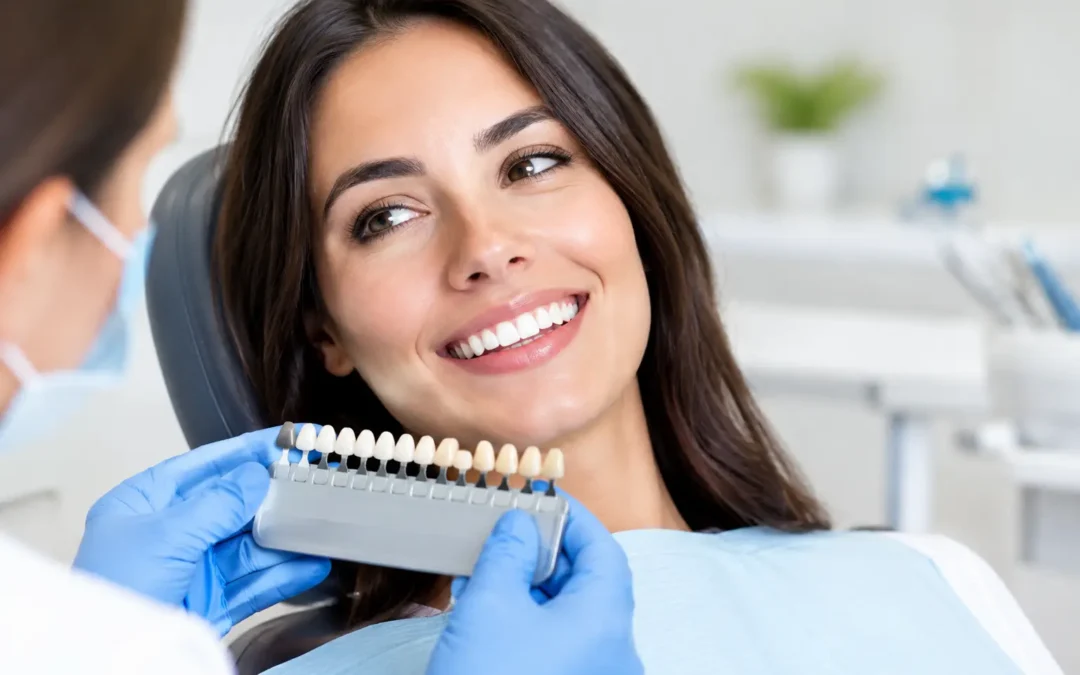
A brighter, more balanced smile can change how you feel in photos, at work, and in everyday conversations. But the best cosmetic dental procedures are not necessarily the most dramatic or expensive ones. The right choice depends on what you want to improve, the health of your teeth and gums, your timeline, and how naturally you want your results to blend with your smile.
For many South Florida patients, cosmetic dentistry is most rewarding when it begins with a thoughtful conversation rather than a one-size-fits-all treatment plan. A dentist can assess tooth color, spacing, bite alignment, existing dental work, enamel condition, and gum health before recommending options that protect your long-term oral health.
What Are the Best Cosmetic Dental Procedures?
Cosmetic dentistry covers treatments that enhance the appearance of your teeth, gums, or smile. Some treatments are primarily aesthetic, while others improve appearance and restore function at the same time. That distinction matters. A tooth that is cracked, missing, or weakened may need more than a cosmetic cover-up.
The procedures below are among the most popular choices because they can address common concerns with predictable, natural-looking results. Still, the best option for you may be a combination of treatments completed in the right order.
Professional teeth whitening
Professional whitening is often the simplest place to start when healthy teeth have become stained or dull. Coffee, tea, red wine, tobacco, certain medications, and natural aging can all change tooth color over time. In-office or professionally supervised whitening uses carefully selected bleaching materials to lift many surface and deeper stains more effectively than store-bought products.
Whitening can make a noticeable difference quickly, but it does have limits. Crowns, veneers, fillings, and bonding will not whiten in the same way as natural enamel. Patients with sensitive teeth may also need a gentler approach. Your dental team can help manage sensitivity and determine whether whitening should be done before other cosmetic work so new restorations can be matched to your preferred shade.
Dental bonding
Dental bonding uses tooth-colored composite resin to repair small chips, soften uneven edges, close minor gaps, or improve the appearance of a discolored area. It is a conservative treatment because it often requires little to no removal of natural tooth structure.
Bonding can be an excellent choice when you want an attractive improvement without the investment or permanence of veneers. It is generally completed in one visit, making it appealing before a special event or after a small dental injury. The trade-off is that composite resin may stain, chip, or wear sooner than porcelain, particularly for people who bite their nails, chew ice, or grind their teeth.
Porcelain veneers
Veneers are thin, custom-made porcelain shells placed on the front surfaces of teeth. They are designed to improve the shape, color, proportion, and overall uniformity of a smile. Veneers can be especially helpful for teeth with stubborn discoloration, visible wear, small gaps, uneven edges, or mild size differences.
The strongest veneer results do not look overly white or identical. They are designed around your facial features, lip line, neighboring teeth, and personal goals. Porcelain is highly stain-resistant and can create a beautifully polished result, but veneers are a long-term commitment. In many cases, a small amount of enamel is reshaped to make room for the veneer, so patients should understand the treatment process before moving forward.
Invisalign and orthodontic treatment
Crooked or crowded teeth are not only a cosmetic concern. They can be harder to clean and may contribute to uneven wear. Invisalign clear aligners and traditional braces gradually move teeth into healthier, more balanced positions, improving both smile appearance and bite function.
Clear aligners are a popular option for teens and adults who want a more discreet orthodontic experience. They are removable for meals and brushing, but they only work as intended when worn consistently. More complex bite issues may be better suited to braces or a different orthodontic approach. A consultation with an orthodontic specialist helps determine which treatment gives you the safest, most efficient path to the result you want.
Crowns for damaged or worn teeth
A dental crown is often considered restorative treatment, yet it can make a major cosmetic difference. Crowns cover and protect teeth that are weakened by large fillings, cracks, decay, root canal treatment, or significant wear. Modern crowns can be shaped and shaded to look very close to natural teeth.
If a front tooth is structurally compromised, a veneer may not provide enough protection. A crown may be the better choice because it restores strength as well as appearance. The goal is never to place a crown on a healthy tooth solely for a quick cosmetic change. Your dentist should recommend the most conservative option that still protects your tooth.
Dental implants for missing teeth
A missing tooth can affect much more than a smile. Over time, nearby teeth can shift, chewing may become less comfortable, and bone in the area may begin to diminish. A dental implant replaces the tooth root with a small post placed in the jawbone, then supports a custom crown after healing.
Implants are one of the most complete options for replacing a missing tooth because they look, feel, and function much like natural teeth. Treatment does require adequate bone and healthy gums, and the process takes longer than a removable option or a bridge. For the right candidate, however, an implant can provide a stable, lasting improvement in confidence and daily comfort.
Gum contouring and periodontal care
Sometimes teeth look short, uneven, or hidden because of the gumline rather than the teeth themselves. Gum contouring can reshape excess gum tissue to create more balanced proportions. It may be considered for a “gummy” smile or when the gumline is uneven around otherwise healthy teeth.
Healthy gums come first. Bleeding, swelling, recession, or active gum disease should be evaluated and treated before elective cosmetic care. A periodontist can help determine whether a gum concern is aesthetic, medical, or both, and recommend an approach that supports your smile for years to come.
Choosing the Right Cosmetic Treatment Order
The sequence of treatment is one of the most overlooked parts of smile planning. Straightening teeth before placing veneers can mean less alteration of natural enamel. Treating gum inflammation before whitening or bonding gives cosmetic work a healthier foundation. Replacing a missing tooth before finalizing adjacent veneers or crowns helps ensure everything fits and functions properly.
A comprehensive exam may include digital imaging, photographs, a bite evaluation, and a review of your dental history. This allows your dentist to identify issues that may not be visible in a mirror, such as grinding, old restorations, decay between teeth, or jaw alignment concerns. Addressing those conditions first can protect your cosmetic investment.
It is also helpful to be candid about your priorities. If you are preparing for a wedding or graduation, whitening and bonding may offer meaningful changes on a shorter schedule. If your goal is a fuller smile after tooth loss or years of wear, implants, crowns, orthodontics, or veneers may be part of a larger plan. There is no prize for choosing the fastest treatment when a phased approach will create a healthier, more natural result.
How to Keep Cosmetic Dentistry Looking Its Best
Cosmetic treatment lasts longer with consistent home care and regular dental visits. Brush twice daily with a nonabrasive toothpaste, clean between your teeth every day, and schedule recommended cleanings and exams. If you grind or clench your teeth, a custom nightguard may help protect veneers, bonding, crowns, and natural enamel from excess pressure.
Habits matter as well. Avoid chewing ice, using teeth to open packages, or biting hard objects. Limit stain-causing foods and drinks after whitening, and ask your dental team which products are appropriate for your specific restoration. A small amount of prevention can protect the appearance and function of your smile.
At Smile Perfection Dental & Orthodontics, patients can explore cosmetic, restorative, periodontal, and orthodontic care in one familiar practice, with treatment recommendations explained clearly at every step. A personalized consultation can turn a general wish for a better smile into a practical plan that respects your health, comfort, budget, and goals.