
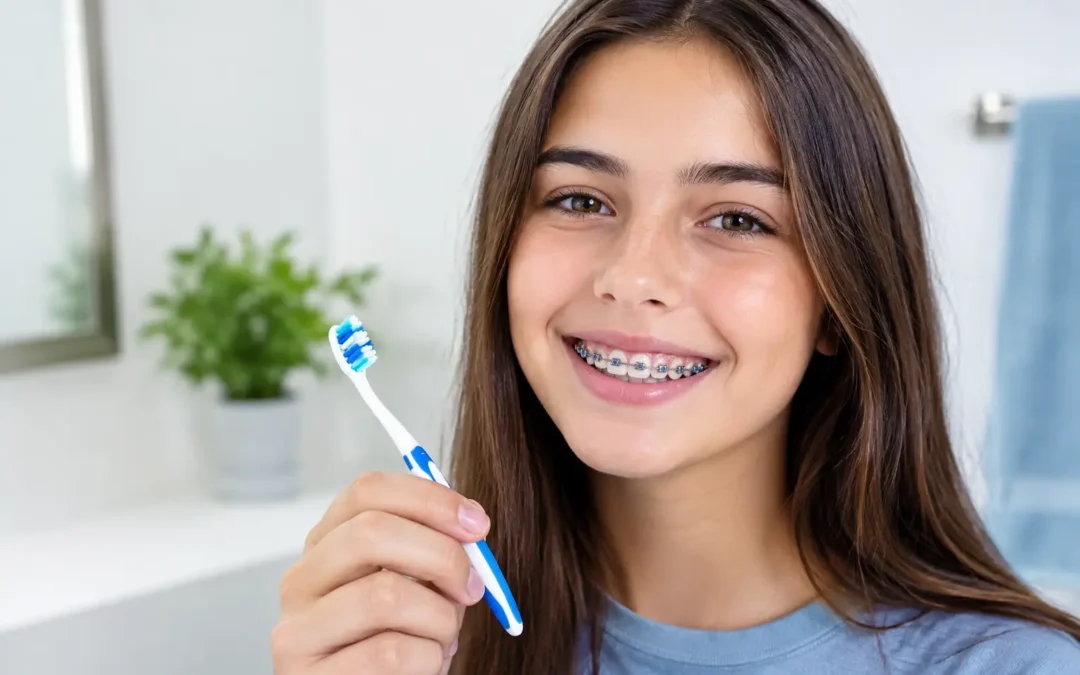
Braces do a remarkable job of moving teeth, but brackets and wires also create plenty of small places for plaque and food particles to hide. The best toothbrush for braces is the one that can clean closely around those orthodontic appliances without irritating the gums or damaging the braces. For most patients, that means choosing a soft-bristled brush with a compact head, then using it with a careful routine rather than brushing harder.
A clean smile during orthodontic treatment is about more than avoiding a little food around the brackets. Consistent brushing helps protect against cavities, gum inflammation, and the white marks that can appear on teeth after braces come off. The right brush makes that daily work much easier.
What Makes the Best Toothbrush for Braces?
There is no single toothbrush that is perfect for every child, teen, or adult in braces. Hand dexterity, gum sensitivity, age, and personal brushing habits all matter. Still, the best choices share a few qualities: soft bristles, a small enough brush head to reach around brackets, and a handle that feels comfortable and easy to control.
Soft bristles are non-negotiable. Medium and hard bristles may feel like they are providing a deeper clean, but aggressive brushing can irritate the gumline and wear on enamel over time. Braces already make gums more likely to feel tender, particularly after an adjustment. A soft brush cleans effectively when it is angled correctly and used for a full two minutes.
A compact brush head is also helpful because it can reach the back teeth and clean above and below the wire more precisely. Large brush heads may cover more surface at once, but they can be awkward around brackets, especially for younger patients.
Manual toothbrushes are a dependable choice
A soft manual toothbrush can work very well for braces. Look for one with rounded bristle tips and a small or medium head. Some orthodontic toothbrushes have a V-shaped bristle pattern, with shorter bristles in the center to fit around brackets and longer outer bristles to reach the tooth surface and gumline.
That design can be convenient, but it is not required. A standard soft toothbrush is still an excellent option when it is used with good technique. This is reassuring for families because replacement brushes are easy to find and affordable. A manual brush also gives patients more control if their teeth or gums are sore after an orthodontic visit.
The trade-off is that manual brushing depends heavily on technique. If a patient tends to rush or repeatedly misses the gumline and back molars, an electric toothbrush may provide additional help.
Electric toothbrushes can make braces care easier
Many patients with braces benefit from an electric toothbrush, particularly one with a small round head or a compact powered head. The movement of the brush can remove plaque efficiently around the edges of brackets when the user guides it slowly from tooth to tooth.
A pressure sensor is a valuable feature. It alerts the user when they are pressing too hard, which protects tender gums and helps prevent unnecessary wear. A built-in timer can be equally useful for children and teens who may finish brushing before they have truly cleaned every area.
Electric toothbrushes are not automatically better than manual brushes. They are a good investment for patients who need help with consistency, have limited hand mobility, or find it difficult to clean thoroughly around braces. The brush should still have soft bristles, and the head should be replaced regularly.
How to Brush Around Braces Effectively
The toothbrush matters, but the brushing pattern matters just as much. Brackets divide every tooth into several cleaning zones. Rather than sweeping quickly across the front of the teeth, pause and clean each zone deliberately.
Start by placing the bristles at a slight angle toward the gumline. Use small, gentle circles along the gums and the area above the brackets. Next, angle the brush downward to clean the top edges of the brackets and wire. Then angle it upward to clean underneath the wire and along the lower part of each bracket.
Finish by brushing the chewing surfaces and the inside surfaces of every tooth. The backs of the lower front teeth and the farthest back molars are easy to miss, even without braces. Spend at least two minutes brushing, and take longer when needed. After meals, a quick brush is especially helpful if food is trapped around the appliance.
Do not scrub brackets aggressively. Braces are designed to stay in place, but rough brushing can irritate gums and may bend a wire or loosen a bracket. If something feels loose or sharp, contact your orthodontic team instead of trying to adjust it at home.
A Toothbrush Alone Cannot Reach Every Space
Even the best toothbrush for braces cannot fully clean between teeth or under the wire. That is why orthodontic patients need a few additional tools as part of their routine. A fluoride toothpaste and daily flossing are foundational. A floss threader, orthodontic flosser, or water flosser can make cleaning beneath the wire less frustrating.
Interdental brushes are also useful for removing food and plaque around brackets and between teeth. These tiny cone-shaped brushes can reach areas a regular toothbrush cannot. They are particularly convenient after lunch, at school, or before an important event when a full brushing routine is not practical.
A water flosser is a helpful addition for many families, but it should not be viewed as permission to skip brushing or flossing altogether. It can flush out debris and support gum health, yet careful brushing remains the main way to remove plaque from tooth surfaces.
Replace brush heads more often when needed
Braces can cause toothbrush bristles to fray faster than usual. Check the bristles every few weeks. Once they begin to bend, spread apart, or lose their shape, the brush cannot clean as effectively around brackets and the gumline.
Most patients should replace a manual toothbrush or electric brush head about every three months, and sooner after an illness or if the bristles are worn. Keeping a spare brush head at home prevents a worn-out brush from becoming the default.
Choosing the Right Brush for Children, Teens, and Adults
For younger children with braces, comfort and ease of use matter most. A child-sized soft toothbrush with a smaller head is usually the right starting point. Parents may need to supervise brushing or perform a quick final check, especially during the first few weeks of treatment.
Teens often do well with either a compact manual brush or an electric toothbrush with a timer. The best option is usually the one they will use correctly every day. If a teen is motivated by app features, timers, or a favorite brush design, that can be a practical advantage rather than a distraction.
Adults with braces may prefer an electric toothbrush because of its convenience and pressure-control features, but many are perfectly successful with a soft manual brush and a little extra time. Adults should also be mindful of gum recession, existing restorations, or sensitivity, which may affect the recommendation. Your dentist or orthodontist can offer personalized guidance at routine visits.
At Smile Perfection Dental & Orthodontics, we encourage patients and parents to bring up brushing concerns during orthodontic appointments. A quick review of technique can make a meaningful difference, especially when plaque is building around specific teeth.
When to Ask for Extra Help
Bleeding gums, persistent bad breath, white spots near brackets, or visible plaque that does not improve with regular brushing are signs that your routine may need attention. These issues are common during braces treatment, and they are usually manageable when addressed early.
Your dental team can show you where buildup is occurring, recommend the right size interdental brush, and help you choose a toothbrush that fits your needs. Regular cleanings remain essential while teeth are moving, because professional care reaches areas that home brushing may miss.
The right toothbrush should make you feel more confident about caring for your smile, not overwhelmed by another product decision. Choose soft bristles, clean thoughtfully around every bracket, and let each appointment be an opportunity to keep your treatment moving toward a healthy, beautiful result.