
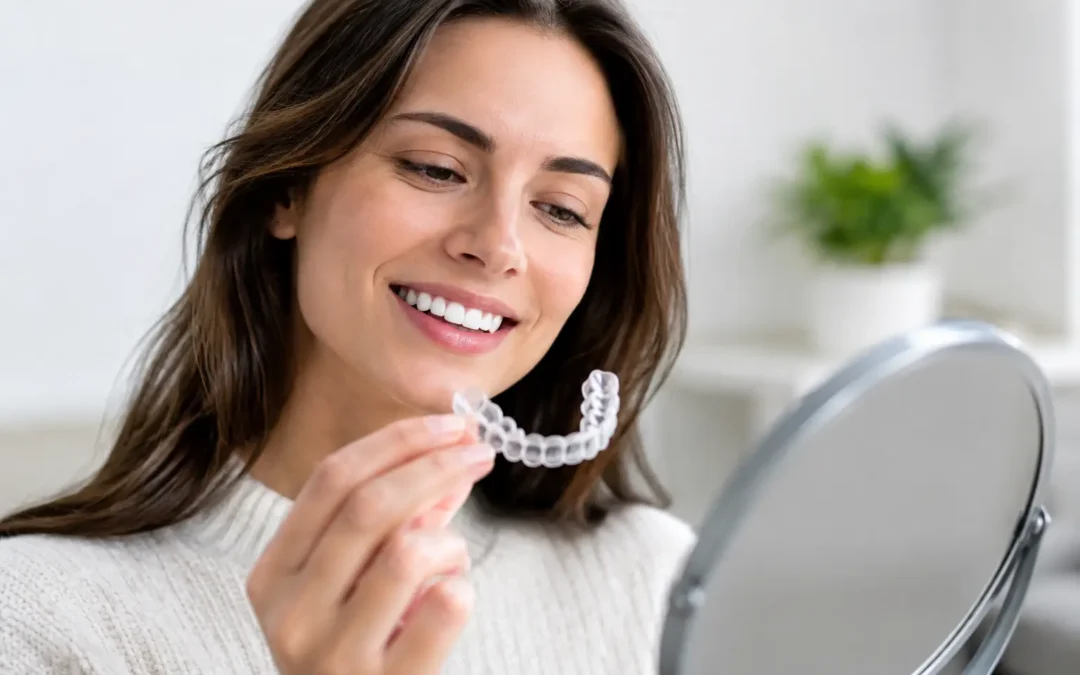
A straighter smile should fit your life, not require you to hide a mouth full of brackets in every photo. That is the appeal behind this clear aligner treatment review: removable, nearly invisible trays can be an excellent orthodontic option for the right patient, but they still require commitment, planning, and professional supervision.
Clear aligners use a series of custom-made trays to apply gentle, controlled pressure to your teeth. Each set is worn in sequence, gradually moving teeth toward the treatment plan created by your orthodontic provider. For many teens and adults in South Florida, they offer a discreet way to address crowding, spacing, and certain bite concerns while maintaining a familiar daily routine.
Clear Aligner Treatment Review: The Real Experience
The biggest advantage of clear aligner treatment is convenience. The trays are removable for meals, brushing, flossing, and special occasions. There are no food restrictions from brackets or wires, which means you can continue enjoying crunchy vegetables, popcorn, or your favorite foods without worrying about damaging orthodontic hardware.
Appearance matters to many patients, too. Clear trays are designed to blend in with your natural smile, making them a popular choice for adults who want orthodontic treatment without a more noticeable look. Teens who feel self-conscious about braces may also appreciate the lower-profile option.
Comfort is another common reason patients ask about aligners. Because there are no wires poking the cheeks or brackets rubbing against the lips, many people find the experience easier to adjust to. Still, “comfortable” does not mean sensation-free. When you switch to a new tray, it is normal to feel pressure or tenderness for a day or two. That feeling usually means the aligner is actively moving teeth.
The less glamorous part is responsibility. Aligners only work when they are worn as prescribed, typically around 20 to 22 hours per day. Taking them out for every snack, forgetting them in a napkin at a restaurant, or leaving them off for long periods can slow progress. Patients who prefer a treatment that works continuously without daily decision-making may be better suited to traditional braces.
What Clear Aligners Can Treat
Clear aligners can address many common orthodontic concerns, including mild to moderate crowding, gaps between teeth, teeth that have shifted after previous braces, and some bite problems. Treatment can improve more than appearance. Properly aligned teeth may be easier to clean, and correcting bite issues can help support comfortable chewing and long-term oral health.
However, clear aligners are not automatically the best choice for every smile. More complex tooth movement, severe bite discrepancies, impacted teeth, or cases requiring significant jaw guidance may call for braces or a combination approach. Attachments, which are small tooth-colored shapes placed on certain teeth, are also often part of aligner treatment. They help the trays grip teeth and create precise movement, so treatment may not be completely invisible up close.
A professional orthodontic evaluation is the best way to determine what will work for your individual needs. Digital imaging and a careful exam allow the provider to look beyond the front teeth and evaluate your bite, gum health, roots, bone support, and overall treatment goals.
Teens and adults have different considerations
For adults, clear aligners can be especially appealing because they are subtle and removable. Adults may also have crowns, fillings, gum concerns, or previous orthodontic treatment to consider. A complete dental evaluation helps ensure those issues are addressed before tooth movement begins.
For teens, aligners can be effective when they are ready to take ownership of the routine. Parents should consider whether their teen can reliably wear trays, keep track of them, and clean them properly. Some teens do wonderfully with aligners; others benefit from the built-in consistency of braces.
Daily Life With Clear Aligners
The daily routine is simple once it becomes a habit. Remove aligners before eating or drinking anything other than plain water. Brush and floss before putting them back in whenever possible, then rinse the trays with cool water and clean them as instructed by your orthodontic team. Hot water can warp the plastic, so it should be avoided.
Coffee, tea, soda, and colored drinks can stain both teeth and trays when aligners are worn during drinking. Sugary beverages also trap sugar against the teeth, increasing the risk of cavities. If you do have a drink other than water, remove the aligners first and clean your teeth before reinserting them.
You will also need to store trays in their protective case. This small step prevents one of the most common problems with removable orthodontics: aligners accidentally thrown away with a lunch napkin. Keeping the case with you makes treatment easier at school, work, and while traveling.
Most patients return for periodic check-ins so the orthodontic team can monitor tooth movement and make sure treatment remains on track. These visits are an important part of safe, predictable care. At-home impression kits and direct-to-consumer options may seem convenient, but they do not replace in-person exams, X-rays, or the ability to identify oral health concerns during treatment.
Treatment Time, Cost, and Results
Treatment time varies because every smile starts in a different place. Minor alignment concerns may take several months, while more involved cases can take a year or longer. Wearing trays consistently is one of the most important factors in staying close to the original timeline.
Cost also depends on the complexity of your case, the number of aligners needed, whether refinements are expected, and the type of retention plan recommended afterward. Insurance may contribute to orthodontic care depending on your benefits, and many practices offer payment options to make treatment more manageable. A clear consultation should explain expected fees, what is included, and what may create additional costs.
The final result is not just the last aligner. Retainers are essential after clear aligner treatment because teeth naturally tend to shift over time. Your provider will recommend how and when to wear them, often full-time at first and then nightly for ongoing protection. Skipping retainers can undo progress that took months to achieve.
Questions worth asking at your consultation
A good consultation should leave you feeling informed rather than pressured. Ask whether your case is a good fit for clear aligners, how many hours per day you will need to wear them, and what happens if a tray is lost. You can also ask how often you will be seen, whether attachments or refinements are likely, and what retention will involve.
It is also reasonable to ask about your provider’s orthodontic experience and how they handle unexpected changes during treatment. Straightening teeth is a health decision as well as a cosmetic one, so you deserve a plan that considers your bite, gums, existing dental work, and long-term smile stability.
At Smile Perfection Dental & Orthodontics, patients can discuss clear aligner options with a team that understands both orthodontic movement and the broader dental care that supports a healthy smile. For families, having general dental and orthodontic care under one trusted practice can make planning treatment feel simpler.
Clear aligners can be a rewarding choice when the treatment plan is appropriate and the daily wear routine feels realistic for you. The next helpful step is a personalized orthodontic evaluation, where you can see what is possible for your smile and make a decision with confidence.