
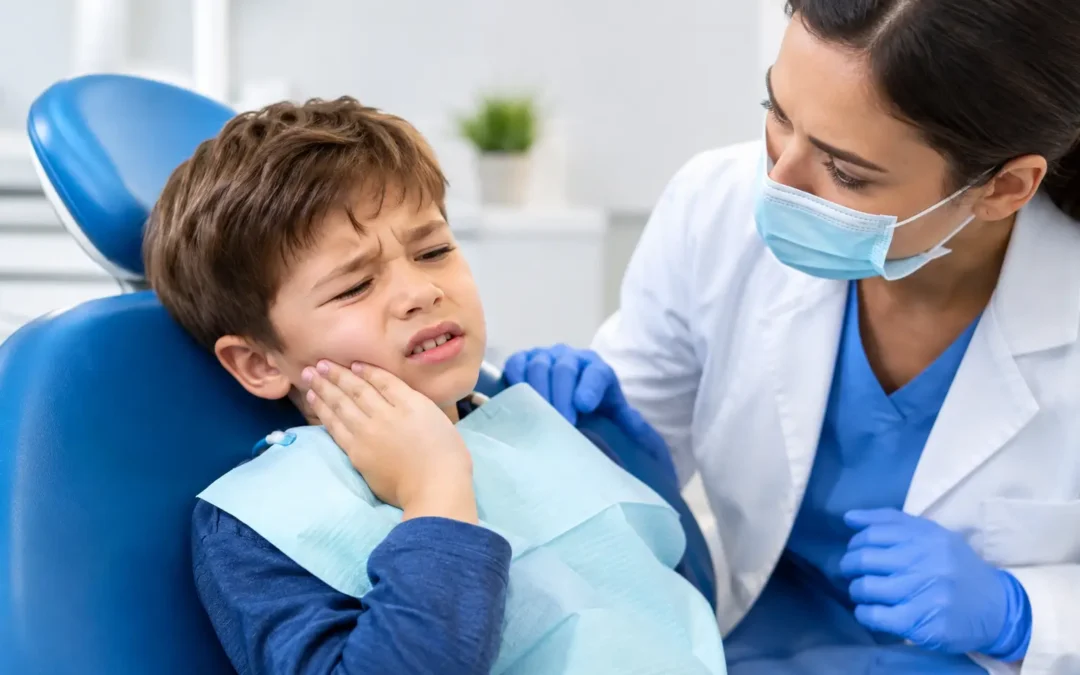
A fall at the playground, a hard hit during soccer, or a sudden toothache at bedtime can leave any parent wondering what to do next. Pediatric dental emergencies can feel frightening, but calm, prompt action can protect your child’s comfort and, in some cases, help save a tooth.
The first step is to assess your child’s overall condition. If there is trouble breathing or swallowing, uncontrolled bleeding, loss of consciousness, a suspected broken jaw, or swelling that is spreading into the face or neck, seek emergency medical care right away. For dental injuries and pain that do not involve those warning signs, contact a dentist as soon as possible for guidance and an appointment.
When Pediatric Dental Emergencies Need Urgent Care
Not every sore tooth requires a same-minute visit, but children should not be expected to simply “wait it out” when they have significant pain, swelling, or an injury to the mouth. Dental problems can worsen quickly, especially when infection is involved.
Call your child’s dentist promptly if a tooth has been knocked loose, pushed out of position, cracked, or completely knocked out. A severe toothache, swollen gums or face, a dental abscess, bleeding that does not stop with gentle pressure, or a broken filling or crown also deserves timely attention. Early care often means a more comfortable experience for your child and may reduce the need for more extensive treatment later.
It also helps to remember that baby teeth and permanent teeth are treated differently. A dental team will consider your child’s age, the type of tooth involved, the injury, and whether adult teeth are developing beneath the gums before recommending care.
What to Do for Common Dental Injuries
A knocked-out permanent tooth
A knocked-out permanent tooth is one of the most time-sensitive pediatric dental emergencies. Find the tooth, pick it up only by the crown – the white chewing surface – and avoid touching the root. If it is dirty, gently rinse it with milk or clean water for a few seconds. Do not scrub it or remove any tissue attached to the root.
If your child is old enough to safely manage it, gently place the tooth back into the socket and have them bite on clean gauze. If that is not possible, keep the tooth moist in a small container of milk or an approved tooth-preservation solution. Do not store it in a tissue or let it dry out. Call a dentist immediately.
Do not try to reinsert a knocked-out baby tooth. Replanting it could harm the developing permanent tooth underneath. Instead, place clean gauze over the area if needed, offer a cold compress for swelling, and contact the dental office for instructions.
A chipped, cracked, or broken tooth
Rinse your child’s mouth gently with warm water and save any tooth fragments you can find. A cold compress on the outside of the cheek can help limit swelling and discomfort. Even a small chip should be evaluated, particularly if your child has pain, sensitivity to cold, or a sharp edge that could cut the tongue or cheek.
A deeper crack may expose the inner part of the tooth, where nerves and blood vessels are located. These injuries can be painful and may need treatment quickly to protect the tooth. Until your child is seen, avoid hard, crunchy, sticky, or very hot and cold foods.
A tooth pushed loose or out of position
A tooth that looks longer, shorter, tilted, or pushed backward after a fall needs professional evaluation. Do not force it back into place at home. Have your child avoid biting with that area and use a cold compress if there is swelling.
Trauma to baby teeth may affect the permanent teeth developing below, so even if your child seems comfortable, it is wise to have the injury assessed. Digital imaging allows the dentist to look beyond what is visible and create an appropriate plan for your child.
A severe toothache or swelling
Tooth pain may be caused by decay, a cracked tooth, food trapped between teeth, gum irritation, or infection. Gently floss around the painful tooth to remove anything caught there, then rinse with warm water. If swelling is present, use a cold compress on the cheek in short intervals.
Do not place aspirin, numbing gel, or any medication directly on the gums or tooth. These products can irritate delicate oral tissues and may not address the actual source of pain. Use only age-appropriate over-the-counter pain medicine as directed by your child’s pediatrician or the product label, and arrange a dental evaluation.
Facial swelling, fever, a bad taste in the mouth, or pain that disrupts sleep can signal an infection. Those symptoms should not be ignored. Dental infections need professional treatment, not just temporary pain relief.
A cut lip, tongue, or cheek
Mouth tissues can bleed more than parents expect, which can make a minor injury look alarming. Rinse gently with cool water and apply steady pressure with clean gauze or a clean cloth. A cold compress can help reduce swelling.
If bleeding does not stop after about 10 minutes of firm pressure, the cut is deep or gaping, or there is a possible injury to the jaw or teeth, seek urgent care. If a piece of tooth may be embedded in a lip or cheek after an accident, a dentist or medical provider should evaluate it.
Helping Your Child Stay Comfortable Before the Visit
Your reassurance matters. Speak calmly, let your child know help is on the way, and avoid making promises about treatment before the dentist has examined the problem. For a young child, a simple explanation such as “The dentist will look at your tooth and help it feel better” is usually enough.
Choose soft foods if your child is hungry, and encourage small sips of water. Avoid chewing on the injured side. For a loose tooth or broken restoration, keep fingers and objects away from the area. Trying to wiggle a tooth, pull it out, or repair a crown or filling at home can make the situation worse.
If your child wears braces, a poking wire or loose bracket may also cause discomfort. Orthodontic wax can temporarily cover an irritating area if available. Do not cut a wire unless you have been specifically instructed to do so by the orthodontic team. Call the office to determine how soon your child should be seen.
Preventing the Next Emergency
Some accidents cannot be prevented, but simple habits lower the risk. A properly fitted mouthguard is especially valuable for children who play contact sports, ride bikes, skateboard, or participate in activities with a risk of falls. Regular dental exams also allow small cavities, worn restorations, and bite concerns to be addressed before they become painful problems.
At home, keep children from using teeth to open packages, cut tape, or crack hard objects. Limit hard candy and ice chewing, which can chip teeth or loosen restorations. If your child has braces, following food guidelines can prevent many broken brackets and wires.
For families in Pembroke Pines, Boynton Beach, and Royal Palm Beach, Smile Perfection Dental & Orthodontics provides compassionate care for children and families when dental concerns arise. Calling early gives the dental team the best opportunity to guide you on what to do and prepare for your child’s visit.
When a dental emergency happens, you do not need to have every answer. Focus on keeping your child safe, protecting the injured area, and reaching out for professional care promptly. A calm parent and timely dental attention can make a difficult moment much easier for a child.