
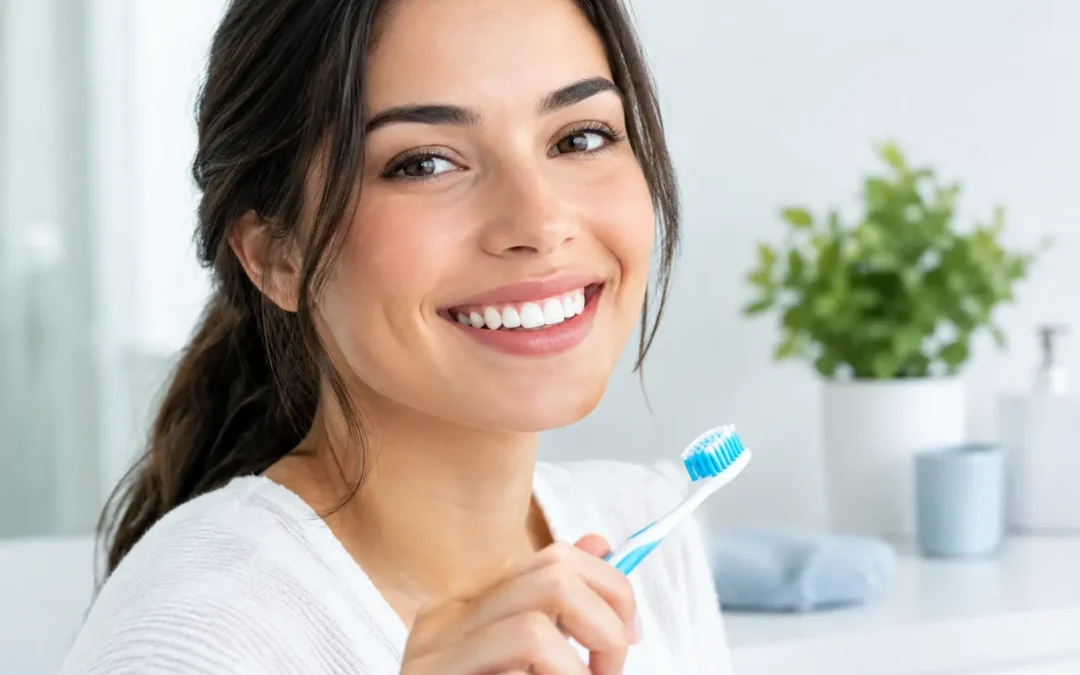
A cold sip of water should feel refreshing, not painful. If your teeth sting with cold drinks, sweets, or even a burst of air, worn enamel may be part of the reason. Learning how to protect enamel can help your family avoid sensitivity, cavities, discoloration, and more extensive dental treatment later on.
Enamel is the strong outer layer of each tooth, but it is not indestructible. Acids, frequent snacking, dry mouth, grinding, and brushing too aggressively can gradually weaken it. The good news is that daily choices and regular dental care can make a meaningful difference.
What enamel does for your smile
Tooth enamel is the hard, protective coating that covers the visible part of a tooth. It shields the softer layers underneath from temperature changes, bacteria, and everyday chewing. Although it is the hardest substance in the body, enamel cannot grow back once it has been lost.
Early mineral loss can sometimes be strengthened through a process called remineralization. Fluoride, healthy saliva flow, and a balanced diet support this process. But when enamel has eroded enough to expose the layer beneath it, called dentin, teeth may become sensitive and more vulnerable to decay.
This is why prevention matters. Protecting enamel is usually simpler, more comfortable, and less costly than treating the damage after it progresses.
How to protect enamel every day
The best enamel-protection routine is not complicated. It comes down to consistent habits that limit acid exposure, remove plaque gently, and give your teeth time to recover after meals and drinks.
Brush gently with fluoride toothpaste
Brush twice a day for two minutes using a soft-bristled toothbrush and fluoride toothpaste. Fluoride helps strengthen the enamel that remains and can help repair very early weak spots before they become cavities.
More pressure is not better. Scrubbing hard, especially with a medium- or hard-bristled brush, can wear down enamel near the gumline and irritate your gums. Hold the brush at a slight angle toward the gums and use small, gentle movements.
If you have sensitivity, your dentist may recommend a toothpaste made for sensitive teeth. These products can help reduce the sensation that occurs when cold, heat, or sweetness reaches the inner tooth.
Wait after acidic foods and drinks
Orange juice, soda, sports drinks, wine, citrus fruit, tomatoes, and vinegar-based foods can temporarily soften the outer surface of enamel. Brushing immediately after consuming them may add friction at the wrong time.
Instead, rinse with plain water and wait about 30 minutes before brushing. Saliva needs time to help neutralize acids and restore a healthier environment in your mouth. This small timing change is especially useful for people who enjoy coffee with citrus, sparkling drinks, or a morning glass of juice.
Make drinks kinder to your teeth
What you sip throughout the day can matter as much as what you eat. Each sugary or acidic drink creates another acid challenge for your enamel. A beverage that is slowly sipped for hours keeps teeth under attack much longer than one enjoyed with a meal.
Water is the best everyday choice. It rinses away food particles, supports saliva production, and does not expose teeth to sugar or acid. If you choose soda, sweet tea, juice, sports drinks, or flavored sparkling water, enjoy it with a meal rather than carrying it around all afternoon. Using a straw can reduce contact with the front teeth, though it does not eliminate the risk.
Do not assume a drink is enamel-friendly because it is sugar-free. Diet sodas and some sparkling waters may still be acidic. The key question is not only how much sugar a drink contains, but how often its acid touches your teeth.
Choose snacks with enamel in mind
Frequent grazing gives oral bacteria a steady supply of carbohydrates. Those bacteria create acids that can weaken enamel, particularly when sticky foods linger in the grooves of teeth.
Try to keep snacks structured rather than nibbling continuously. Cheese, plain yogurt, nuts, crunchy vegetables, and other low-sugar choices are generally easier on teeth than gummy candy, crackers, cookies, and dried fruit. You do not have to eliminate treats completely. Pair them with a meal, drink water afterward, and avoid letting sweets become an all-day habit.
Sugar-free gum can also be helpful after a meal when brushing is not possible. Chewing stimulates saliva, which naturally helps wash away acids and food particles. Choose gum with xylitol if it is appropriate for you, and keep it safely away from pets because xylitol is dangerous for dogs.
Clean between your teeth
A toothbrush does not fully clean the tight spaces between teeth. Floss, floss picks, or another dentist-recommended interdental cleaner removes plaque where cavities and gum inflammation often begin.
For families with children, parents may need to help until a child has the coordination to clean thoroughly on their own. For adults with braces, bridges, implants, or closely spaced teeth, your dental team can recommend tools that fit your specific smile. The right tool is the one you can use consistently and comfortably.
Habits that can quietly wear enamel down
Some enamel damage is linked to habits that are easy to overlook. Teeth are designed for chewing food, not opening packages, biting pens, holding hairpins, or crunching ice. Using teeth as tools can chip enamel or place stress on a tooth that already has a small crack.
Teeth grinding and clenching can also cause gradual wear, flattening, cracks, headaches, and jaw soreness. Many people grind at night without realizing it. If you wake with tired jaw muscles, notice chipped edges, or have been told that you grind, ask your dentist whether a custom night guard may help protect your teeth.
Dry mouth is another concern. Saliva is one of enamel’s natural defenses because it helps neutralize acids and deliver minerals to tooth surfaces. Certain medications, dehydration, mouth breathing, and some medical conditions can reduce saliva flow. Persistent dry mouth deserves a conversation with your dentist and physician, especially if you are getting more cavities than usual.
When enamel damage needs professional care
Not every change in tooth color or sensitivity means severe enamel erosion, but it is worth having symptoms evaluated. Teeth may look more yellow as enamel thins because the naturally darker dentin underneath becomes more visible. You may also notice rough edges, small chips, transparent-looking tooth tips, or sensitivity when eating hot, cold, sweet, or acidic foods.
A dental exam can identify whether the issue is enamel erosion, tooth decay, gum recession, grinding, or another concern. Treatment depends on the cause and the amount of tooth structure involved. Early changes may call for fluoride treatment, prescription-strength products, dietary adjustments, or a night guard. More significant wear may require bonding, fillings, crowns, or other restorative options to protect the tooth and restore comfort.
Regular checkups are especially valuable because enamel loss can develop gradually without obvious pain. Digital imaging and thorough exams allow dentists to spot concerns before a minor weak area becomes a larger problem.
A practical plan for the whole family
Start with the habits that will have the biggest impact: brush gently with fluoride twice a day, clean between teeth once a day, choose water more often, and avoid constant sipping or snacking. Then pay attention to individual needs. A teen with braces, an adult who drinks several coffees daily, a child who loves sports drinks, and someone who grinds at night may each need a slightly different prevention plan.
At Smile Perfection Dental & Orthodontics, families can receive preventive guidance and restorative care in one welcoming setting. A dentist can help identify what is affecting your enamel and recommend practical changes that fit your routine, not an unrealistic perfect schedule.
Your enamel works hard every day. Give it steady care now, and your smile is more likely to stay comfortable, strong, and confident for years to come.