
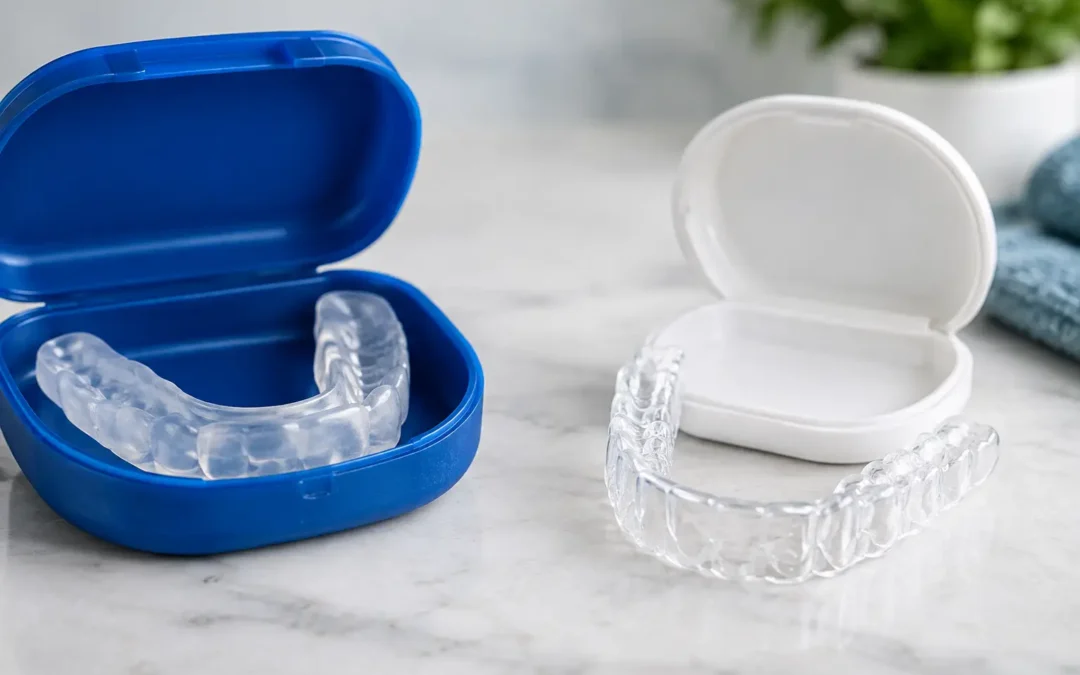
A clear, removable dental appliance can look nearly identical whether it came from an orthodontic visit or a treatment for teeth grinding. That is why night guard vs retainer differences can be confusing for patients. While both fit over your teeth, they are designed to solve different problems, and wearing the wrong one can leave your smile unprotected.
At Smile Perfection Dental & Orthodontics, we believe patients should understand the purpose behind every treatment. Here is what separates a night guard from a retainer, when you may need one, and why a custom fit matters.
Night Guard vs Retainer Differences at a Glance
A retainer holds teeth in their corrected positions after braces or clear aligner treatment. A night guard protects teeth, restorations, and jaw muscles from the pressure created by clenching or grinding, also called bruxism.
Both appliances are usually removable and may be made from clear dental material. That resemblance does not make them interchangeable. Their thickness, material, fit, and the way they meet your opposing teeth are selected for completely different goals.
A retainer is focused on stability. It helps prevent teeth from gradually shifting after orthodontic treatment. A night guard is focused on force management. It creates a protective barrier between upper and lower teeth and is designed to handle repeated biting pressure while you sleep.
What a Retainer Does for Your Smile
Teeth can shift throughout life, but the risk is especially high after braces or Invisalign treatment. Orthodontic treatment moves teeth into healthier, more attractive positions, yet the surrounding bone and tissues need time to adapt. A retainer helps preserve the result you worked hard to achieve.
Many patients wear a retainer full-time at first and then transition to nighttime wear, based on their orthodontist’s instructions. Some retainers are clear, while others use a thin wire across the front teeth. There are also fixed retainers bonded behind certain teeth. The right choice depends on your bite, tooth movement history, and treatment plan.
A retainer should fit snugly but comfortably. If it feels loose, stops fitting, cracks, or causes pain, do not force it into place. Teeth may have shifted, or the appliance may need to be repaired or replaced. Addressing the issue early is often simpler than correcting more noticeable movement later.
Retainers Are Not Built for Heavy Grinding
A clear retainer may offer a small amount of coverage between your teeth, but it is usually thinner than a night guard. Heavy clenching can wear through it, crack it, or distort its fit. Even more concerning, it may not provide the bite balance needed to protect your jaw and teeth from grinding forces.
If you have a history of orthodontic treatment and wake up with jaw soreness or headaches, tell your dentist and orthodontist. You may need a plan that protects both your alignment and your teeth.
What a Night Guard Does While You Sleep
A night guard is often recommended for people who clench or grind their teeth during sleep. Many people do not realize they grind until a partner hears it, their dentist sees tooth wear, or they begin experiencing symptoms such as morning headaches, jaw tension, tooth sensitivity, or chipped dental work.
Grinding can place tremendous pressure on teeth. Over time, it may flatten the chewing surfaces, create small cracks, damage crowns or veneers, and strain the jaw joints and surrounding muscles. A custom night guard creates a protective surface so your teeth do not take the full force of that contact.
Your dentist may recommend a softer, firmer, or dual-layer guard depending on the intensity of your grinding, your bite, and any existing dental work. The appliance should be made to fit securely and checked to ensure it works comfortably with your bite.
A Night Guard Does Not Keep Teeth Perfectly Straight
Because a night guard covers teeth, some patients assume it will also function as a retainer. That is not a safe assumption. A guard is made to protect against pressure, not necessarily to maintain the precise positions achieved through orthodontic treatment.
In some cases, a dentist and orthodontist can coordinate a custom solution for a patient who needs both retention and grinding protection. This is a specific treatment decision, not something to solve by choosing one appliance over the other at home.
Can You Wear a Retainer as a Night Guard?
For occasional, very mild clenching, some patients may be able to wear a retainer temporarily while they wait for an evaluation. However, a retainer should not become a long-term substitute for a professionally designed night guard if you regularly grind or clench.
Signs that your retainer may not be enough include visible wear holes, cracks, frequent breakage, new jaw discomfort, tooth sensitivity, or chipped teeth. These symptoms deserve attention, especially if you have crowns, veneers, fillings, dental implants, or other restorative work to protect.
On the other hand, wearing a night guard instead of your prescribed retainer may allow your teeth to shift. The best answer is often not choosing one appliance over the other, but having your dental team determine whether you need two appliances or a carefully planned combination option.
Custom Appliances vs. Store-Bought Options
Over-the-counter boil-and-bite guards can be convenient, but they are not made from an impression or digital scan of your teeth. A loose, bulky, or poorly fitting appliance can feel uncomfortable, interfere with sleep, and provide uneven contact. It may also be difficult to tell whether it is adequately protecting your teeth and jaw.
Custom appliances are created for your unique smile and bite. Your dental team can evaluate signs of wear, adjust the appliance if needed, and monitor changes over time. This is particularly valuable for patients with TMJ symptoms, significant grinding, orthodontic treatment, or extensive dental restorations.
Retainers should also be custom-made. A properly fitted retainer supports the exact positions of your teeth and is more comfortable to wear consistently. Consistency matters because even minor shifting can affect the appearance of your smile and the way your teeth come together.
How to Care for Either Appliance
A clean appliance is more comfortable and better for your oral health. Rinse it with cool water after each use, gently brush it with a soft toothbrush, and store it in a protective case when it is not in your mouth. Heat can warp many dental materials, so never leave a retainer or night guard in a hot car or clean it with hot water.
Bring your appliance to regular dental or orthodontic visits. Your provider can check for damage, buildup, poor fit, and changes in your bite. If you have pets, keep the case out of reach. Dogs are especially drawn to the scent and texture of dental appliances, and a chewed guard or retainer usually needs replacement.
When to Schedule an Evaluation
Schedule a visit if you wake with jaw pain, notice worn or chipped teeth, experience frequent headaches, hear grinding at night, or find that your retainer no longer fits. Parents should also watch for these signs in teens who have finished braces or Invisalign treatment. Protecting a growing smile and maintaining orthodontic results are both worth prompt attention.
The right appliance should feel like support, not another source of stress. Whether your goal is keeping teeth straight after orthodontic treatment or shielding them from nighttime grinding, a personalized evaluation can help you protect the healthy, confident smile you want to keep.