
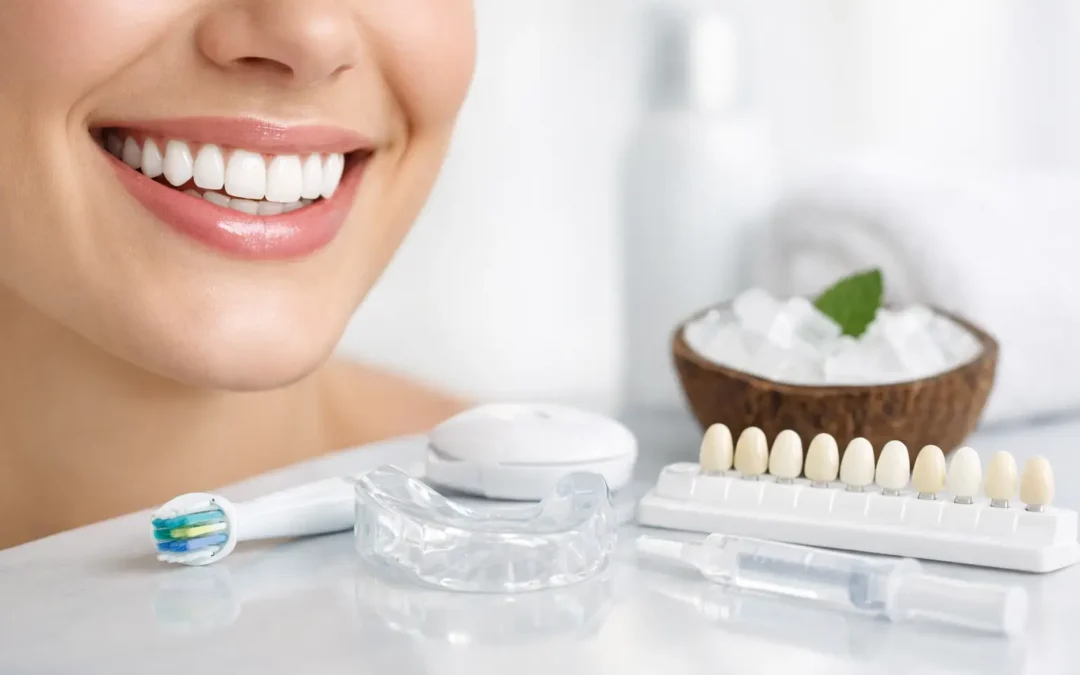
A bright smile can make a meaningful difference in how you feel during family photos, work meetings, and everyday conversations. But the best ways to whiten teeth are not always the fastest or most heavily advertised options. The right approach depends on what caused the discoloration, the condition of your teeth and gums, and how dramatic you want the change to be.
Coffee, tea, red wine, dark sodas, tobacco, and natural aging can all leave teeth looking less bright over time. The encouraging news is that many stains can be improved safely with the right treatment plan. A dental exam is often the best place to start, especially if you have sensitive teeth, crowns, veneers, gum concerns, or ongoing dental treatment.
Best Ways to Whiten Teeth: Start With Healthy Teeth
Whitening works best when your smile is healthy and clean. Surface buildup, plaque, tartar, and staining around the gumline can make teeth look darker than they truly are. A professional cleaning may noticeably refresh your smile before you use any whitening product.
During a checkup, your dentist can also identify concerns that whitening will not fix. Cavities, leaking fillings, worn enamel, gum recession, and tooth pain should be addressed first. Whitening products can temporarily increase sensitivity, so applying them to a tooth with an untreated problem can be uncomfortable and may delay the care you need.
Not every dark tooth has the same cause. Yellowing from food and drinks often responds well to whitening, while gray discoloration from trauma, certain medications, or changes inside a tooth may require a different cosmetic solution. This is one reason personalized guidance matters more than choosing a product based on the package alone.
Professional Teeth Whitening for More Noticeable Results
For patients looking for a brighter smile in a predictable timeframe, professional whitening is usually the most effective option. Dental whitening uses professional-strength whitening ingredients and is supervised by a dental team that can help protect your gums, monitor sensitivity, and recommend the appropriate shade goal.
In-Office Whitening
In-office whitening is a good choice when you want a visible improvement for an upcoming wedding, reunion, vacation, or special event. The process typically begins with protecting the lips and gums, followed by the careful application of whitening gel to the teeth. Treatment time and results vary by patient, but many people see a meaningful change in a single visit.
The advantage is not just speed. Professional supervision helps ensure the whitening material is used correctly and evenly. If you have sensitivity, your dentist may adjust the plan, recommend a desensitizing product, or suggest a gradual approach instead.
Custom Take-Home Whitening Trays
Custom take-home trays offer a flexible option for patients who prefer to brighten their smile gradually. Because the trays are made to fit your teeth, they help keep whitening gel where it belongs and reduce contact with the gums. Your dental team will provide instructions on how much gel to use and how long to wear the trays.
This option can be especially appealing for patients who want more control over the pace of whitening. It also makes future touch-ups easier when new stains appear from coffee, tea, or other everyday habits.
At Smile Perfection Dental & Orthodontics, a whitening consultation can help determine whether an in-office option, custom trays, or another cosmetic treatment best fits your smile goals.
Store-Bought Whitening Options: What to Expect
Whitening strips, gels, trays, toothpaste, and rinses are widely available and can be helpful for mild surface stains. They are often less expensive upfront than professional whitening, but their results can be more gradual and less consistent. The fit of over-the-counter trays and strips may also make a difference, especially if they slide onto the gums.
Whitening strips generally provide stronger results than whitening toothpaste because they remain in contact with the tooth surface for a longer period. Follow the directions carefully. Leaving products on longer than recommended will not necessarily make teeth whiter, but it can increase gum irritation and tooth sensitivity.
Whitening toothpaste can be useful for maintaining results, particularly if it contains gentle polishing ingredients. However, it does not change the internal color of teeth in the same way peroxide-based whitening treatments can. Be cautious with highly abrasive products, since aggressive brushing and abrasive pastes can wear down enamel over time.
Whitening rinses are convenient, but they usually have limited contact time with teeth. They may support a stain-prevention routine, yet they are unlikely to create a dramatic color change on their own.
Daily Habits That Help Keep Teeth Brighter
Whitening treatment is only part of the picture. The habits that follow can help preserve results and reduce the need for frequent touch-ups. Brushing twice daily with a soft-bristled toothbrush, flossing daily, and keeping regular dental cleanings are simple but valuable steps.
After coffee, tea, red wine, berries, or dark sauces, drinking water can help rinse away pigments before they settle on tooth surfaces. Using a straw for cold, dark beverages may also reduce contact with the front teeth. You do not need to avoid every food you enjoy, but moderation and rinsing can make a difference.
If you smoke or use other tobacco products, stopping can benefit your overall health as well as your smile. Tobacco stains are often stubborn and may return quickly after whitening. Your dental team can discuss supportive options for maintaining a cleaner-looking smile while you work toward quitting.
Wait about 30 minutes to brush after consuming acidic drinks or foods, such as citrus, sports drinks, or soda. Acid can temporarily soften enamel, and brushing immediately afterward may be harsher on tooth surfaces. Rinsing with water first is a gentler choice.
Whitening Methods to Avoid
Social media has made home whitening hacks look tempting, but some can do more harm than good. Lemon juice, vinegar, charcoal powders, baking soda scrubs, and other abrasive or acidic methods can wear down enamel or irritate gums. Enamel does not grow back, and thinning enamel can actually make teeth appear more yellow because of the darker layer beneath it.
Be skeptical of products that promise extremely white teeth overnight or claim to work for everyone. Healthy, natural teeth come in a range of shades, and a good whitening result should still look like your smile. A bright result that complements your complexion and looks natural is usually more flattering than an unnaturally white shade.
When Whitening Is Not the Right Solution
Whitening gel changes natural tooth enamel, but it does not whiten crowns, veneers, bridges, fillings, or dental implants. If you have visible restorations, whitening your surrounding teeth may create a color mismatch. Your dentist can help you plan the order of treatment so that any new restoration is matched to your preferred tooth shade.
For deeply discolored teeth, uneven color, chips, worn edges, or spaces between teeth, veneers or bonding may be worth discussing. These treatments serve a different purpose than whitening and may be more appropriate when you want to change both the color and shape of your smile.
Pregnant or breastfeeding patients, children, and people with active dental concerns should speak with a dentist before using whitening products. The same applies if you experience sharp pain, prolonged sensitivity, or irritated gums during treatment.
A Brighter Smile Should Still Feel Like Your Smile
The best whitening plan is one that improves your confidence without compromising your comfort or oral health. Whether you choose a professional treatment or a carefully used store-bought product, start with healthy teeth, use products as directed, and give your smile time to respond. A personalized dental consultation can help you choose a shade and method that feels bright, natural, and right for you.
Trackbacks/Pingbacks