
A teen may want braces that fade into the background in school photos. An adult may be focused on a dependable option that can handle a complicated bite. When comparing metal braces vs ceramic, the best choice is rarely just about how the brackets look. Your treatment goals, daily habits, timeline, and budget all matter.
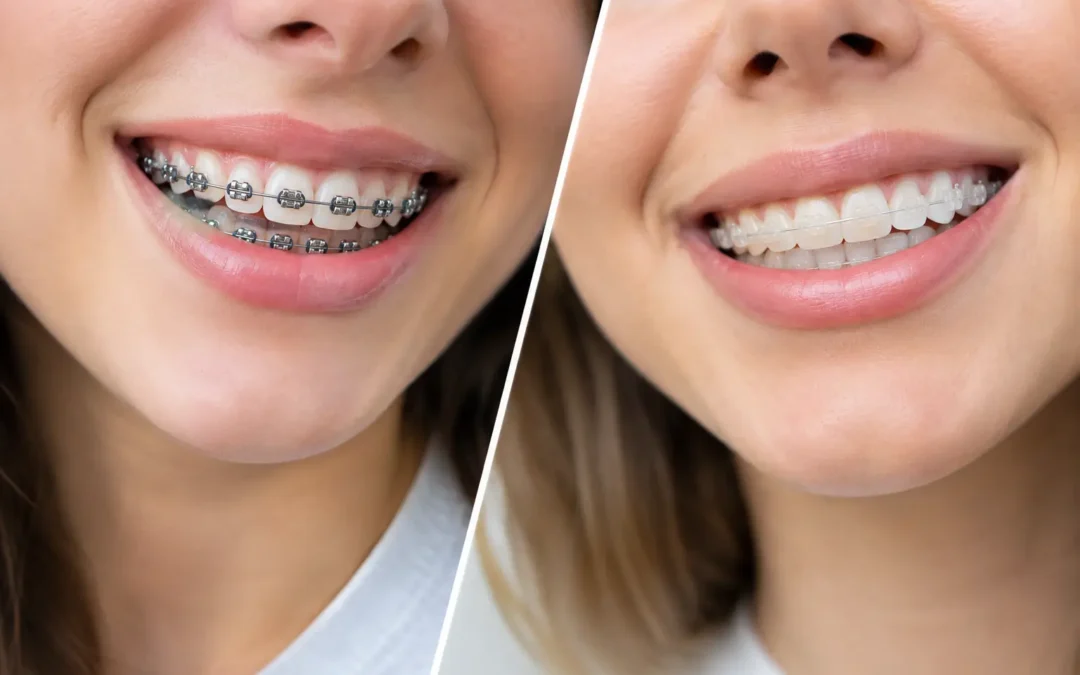
Both options use brackets and wires to guide teeth into healthier, more balanced positions. Both can create a beautiful smile and improve how your teeth meet when you bite. The key difference is the bracket material: traditional braces use stainless steel brackets, while ceramic braces use tooth-colored or clear brackets designed to be less noticeable.
Metal Braces vs Ceramic Braces: The Main Difference
Metal braces are the familiar orthodontic treatment many patients recognize. Today’s metal brackets are smaller, smoother, and more comfortable than the braces of past decades. They are highly durable and give an orthodontist excellent control when moving teeth and correcting bite concerns.
Ceramic braces work much the same way, but their brackets are made to blend with the natural color of your teeth. The archwire is still usually metal, although a lighter-colored wire may sometimes be used for a more subtle appearance. From a conversational distance, ceramic braces can be much less visible than metal braces.
Neither choice is automatically better. For some patients, the confidence that comes with a more discreet look makes ceramic braces worthwhile. For others, metal braces offer the practical, reliable solution they need at a more manageable cost.
Appearance: Ceramic Braces Are Less Noticeable
Appearance is usually the first reason patients ask about ceramic braces. Their clear or tooth-colored brackets are designed to blend in, which can be especially appealing for older teens and adults who want fixed orthodontic treatment without the more noticeable look of metal.
Metal braces are more visible, but many younger patients enjoy making them personal with colored elastic bands at adjustment visits. They can turn braces into something fun rather than something to hide. For patients who do not mind a noticeable treatment option, metal braces remain a classic choice with a clean, modern appearance.
Keep in mind that the small elastic ties on ceramic braces can discolor if they are exposed often to coffee, tea, red sauces, curry, berries, or tobacco. The ceramic brackets themselves are stain-resistant, but the ties may pick up color between appointments. Regular adjustments provide an opportunity to replace them.
Strength and Treatment Needs
Metal brackets are exceptionally strong. They can be a smart choice for children, teens, and adults with significant crowding, complex tooth movement, gaps, bite misalignment, or a history of breaking dental appliances. Their durability also makes them well suited to active lifestyles and patients who may occasionally forget the rules about avoiding hard or sticky foods.
Ceramic brackets are strong enough for many orthodontic cases, but they are more brittle than stainless steel. They can be more likely to chip or break if you bite hard foods directly with the front teeth or do not follow food guidelines. Because of this, an orthodontist may recommend metal braces for certain complex cases or may suggest ceramic braces for the upper teeth, where appearance is often the biggest concern.
Treatment time is often similar with either option when the case and patient cooperation are comparable. However, every smile is different. The way teeth respond to movement, the severity of the bite issue, missed appointments, broken brackets, and oral hygiene can all affect the overall timeline more than bracket color alone.
Comfort and Everyday Feel
Both metal and ceramic braces require an adjustment period. After braces are placed or tightened, it is normal to feel pressure or tenderness for a few days as your teeth begin moving. Orthodontic wax can help if a bracket rubs against the inside of your cheek or lip.
Some patients find ceramic brackets feel slightly bulkier than metal brackets. Others do not notice much difference after the first week or two. The wire and the movement of your teeth create most of the pressure you feel, so comfort often comes down to how quickly you adjust and how carefully your braces are maintained.
If a bracket comes loose, a wire pokes, or discomfort does not improve, call your orthodontic office. A simple adjustment can often make a big difference in your comfort.
Cost: Why Ceramic Braces Often Cost More
Ceramic braces typically cost more than metal braces because the bracket material is more expensive and may require added care during treatment. The exact difference depends on the complexity of your case, your treatment plan, insurance benefits, and the length of treatment.
Metal braces are often the more budget-friendly fixed-braces option. That does not mean ceramic braces are out of reach. Many families explore payment plans, insurance coverage, and available orthodontic promotions to find a plan that works for them.
A consultation is the most accurate way to understand your expected investment. It gives you the chance to ask about the full treatment fee, what is included in adjustments and retainers, and which payment options may be available. Choosing braces is a health decision, but it should also feel financially clear and manageable.
Caring for Metal or Ceramic Braces
Good home care is essential with either type of braces. Food and plaque can collect around brackets and wires, raising the risk of cavities, gum irritation, and permanent white spots on the enamel. Brushing after meals, flossing daily with the right orthodontic tools, and keeping up with regular dental checkups protect your smile while it is being straightened.
Avoid chewing ice, hard candy, popcorn kernels, nuts, and sticky treats such as caramel or chewing gum unless your orthodontist says otherwise. Cutting crunchy foods like apples and carrots into small pieces instead of biting into them can also help prevent broken brackets.
Ceramic-braces patients should be especially mindful of foods and drinks that can stain elastic ties. Rinsing with water after coffee or colorful foods is helpful, but careful brushing is still the best defense. Metal-braces patients benefit from the same consistent routine, even though staining is less of a cosmetic concern.
Who May Be a Good Candidate for Each Option?
Metal braces may be a great fit for younger patients, anyone with a complex orthodontic case, patients who want maximum durability, or families looking for the most economical fixed-braces option. They are effective, dependable, and suitable for a wide range of smile and bite concerns.
Ceramic braces may be a good choice for image-conscious teens and adults who prefer a more subtle look and are comfortable being extra careful with food choices and oral hygiene. They can offer the control of traditional braces while making treatment less prominent in daily life.
There are also situations where neither metal nor ceramic braces are the first recommendation. Clear aligners may work well for some mild to moderate concerns, while other bite issues may respond best to braces. A professional orthodontic evaluation helps match the treatment to your teeth, gums, jaw relationship, and goals rather than choosing based on appearance alone.
Make the Choice With an Orthodontic Team You Trust
The right braces should do more than look good at the start of treatment. They should give your orthodontist the tools to create a healthy bite, properly aligned teeth, and a smile you feel proud to share for years to come.
At Smile Perfection Dental & Orthodontics, our team takes time to explain your options clearly and recommend treatment based on your individual needs. Whether metal braces or ceramic braces better fits your life, a thoughtful consultation can turn uncertainty into a plan you can feel good about.