
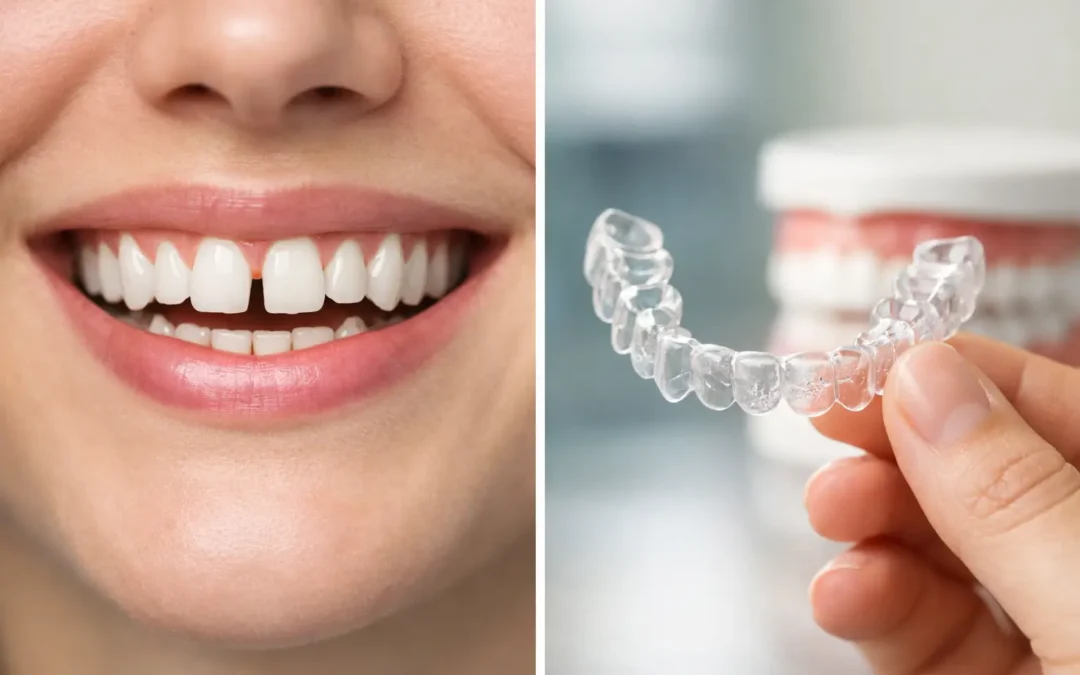
A gap between your teeth can be one of the first things you notice in photos, even when your teeth are otherwise healthy. The encouraging answer to “can Invisalign close tooth gaps” is often yes. Clear aligners can be an effective, discreet way to bring teeth closer together and create a more balanced smile, but the right treatment depends on why the gap formed and the health of your teeth and gums.
For many teens and adults, Invisalign offers an appealing alternative to traditional braces. The aligners are clear, removable, and custom-made to move teeth in carefully planned stages. At Smile Perfection Dental & Orthodontics, an orthodontic evaluation can help determine whether aligners are the right choice for your specific smile goals.
Can Invisalign Close Tooth Gaps Successfully?
Invisalign can close many types of tooth gaps, also called spaces or diastemas. Small spaces between the front teeth are commonly treated with clear aligners, as are more noticeable gaps caused by teeth that have shifted over time. Each set of aligners applies gentle, controlled pressure to guide teeth into their planned positions.
The process is not simply about pushing two teeth together. Your orthodontic provider considers how every tooth fits, how your bite functions, and whether closing a visible space could create crowding or unwanted pressure elsewhere. That full-picture planning helps support a result that looks natural and feels comfortable when you bite and chew.
Clear aligners can be especially helpful for adults whose teeth have gradually moved after past orthodontic treatment or years without wearing a retainer. A gap that seems small can still affect the appearance of your smile, trap food, or make you feel self-conscious when speaking or laughing. Treatment may address those concerns without the look of metal brackets and wires.
What Causes Gaps Between Teeth?
Tooth gaps do not all have the same cause, which is why an in-person exam matters. Some people naturally have a difference between the size of their teeth and the size of their jaw. Others develop spacing when a tooth is missing, when teeth are smaller than average, or when the tongue presses against teeth during swallowing.
Gum disease can also create spaces that were not there before. When inflammation and infection affect the bone and tissues supporting the teeth, teeth may loosen or drift. In that situation, treating the gum condition comes first. Moving teeth before the gums are healthy can compromise the stability of the final result.
A prominent band of tissue between the upper front teeth, called a frenum, may contribute to a persistent front gap in some patients. Children and teens may also have temporary spacing while permanent teeth are still coming in. The best timing and treatment approach can be different for a growing child than for an adult.
When Clear Aligners Are a Good Fit
Invisalign is often a strong option when the gaps are mild to moderate and the teeth and gums are healthy. It can correct spacing in the front teeth, spaces across several teeth, and certain bite concerns that occur alongside gaps. Modern treatment planning allows orthodontic specialists to make precise adjustments, sometimes using small tooth-colored attachments to give the aligners a better grip for specific movements.
The most successful patients are able to wear their aligners consistently. They are typically worn about 20 to 22 hours a day and removed for meals, brushing, and flossing. Wearing them only at night or leaving them out for long periods can slow progress and may affect how well the aligners fit.
Aligners are also removable, which makes daily hygiene easier for many patients. You can brush and floss normally instead of cleaning around brackets and wires. That convenience does not replace careful habits, though. Aligners should be cleaned regularly, and teeth should be brushed before putting them back in after eating whenever possible.
When Invisalign May Not Be the Best Answer
Clear aligners are not automatically the best treatment for every gap. Large spaces caused by missing teeth may require a plan that includes dental implants, a bridge, or other restorative care. Orthodontic treatment can position neighboring teeth correctly, but it cannot replace a missing tooth on its own.
Some complex bite issues, severe tooth rotation, or major jaw discrepancies may be treated more predictably with braces or a combination of orthodontic and restorative care. Traditional braces remain an excellent option for many patients, particularly when highly detailed tooth movement is needed.
There are also cosmetic situations where moving teeth is not the only answer. If a gap is very small but the teeth are unevenly shaped, bonding or veneers may be discussed. These options work differently from Invisalign: they change the appearance of the teeth rather than repositioning them. A trusted dentist or orthodontic specialist can explain the benefits, limits, and long-term considerations of each approach.
How Long Does Invisalign Take to Close Gaps?
Treatment time varies. A simple gap may improve in a matter of months, while a more comprehensive plan involving several spaces, crowding, or bite correction can take a year or longer. The number of aligner sets, the movements required, and how consistently you wear the aligners all influence the timeline.
Digital imaging and treatment planning give patients a clearer view of the proposed changes before treatment begins. Even so, teeth do not always move on an exact calendar. Some patients need refinement aligners near the end of treatment to fine-tune their result. That is a normal part of achieving a polished, healthy-looking smile rather than a sign that treatment has failed.
Your provider will also monitor the way your teeth meet as spaces close. A beautiful smile should support a functional bite, not just a gap-free appearance. Regular appointments allow the team to confirm that movement is tracking as planned and make adjustments when needed.
Retainers Keep the Space From Returning
Closing a gap is only one part of treatment. Teeth naturally have a tendency to shift, especially in the months after orthodontic care. A custom retainer holds them in their new positions while the surrounding tissues adapt.
For some patients, nighttime retainer wear becomes a long-term routine. It is a small commitment that protects the time and investment made in your smile. Skipping retainers is one of the most common reasons a previously closed gap begins to reappear.
What to Expect at an Invisalign Consultation
A consultation is the best way to get a reliable answer about your specific tooth gap. Your dental team will examine your teeth, gums, bite, and jaw alignment. Digital scans or X-rays may be used to evaluate the roots and supporting bone, especially if the space is new or if there are signs of gum concerns.
You will have the opportunity to talk about what you would like to change, whether that is one front gap or the overall alignment of your smile. The provider can explain whether Invisalign, braces, cosmetic dentistry, restorative treatment, or a coordinated plan would give you the healthiest result. For families, it can also be helpful to discuss treatment timing for teens whose smiles are still developing.
Cost depends on the complexity and length of treatment. Insurance coverage, available payment options, and any needed dental care should be reviewed before you begin, so you can make a decision with clear expectations.
A tooth gap does not have to define your smile, and it does not need to be treated with a one-size-fits-all solution. With a thoughtful evaluation and a plan built around your oral health, clear aligners may be a comfortable path toward the confident, connected smile you want to share.