
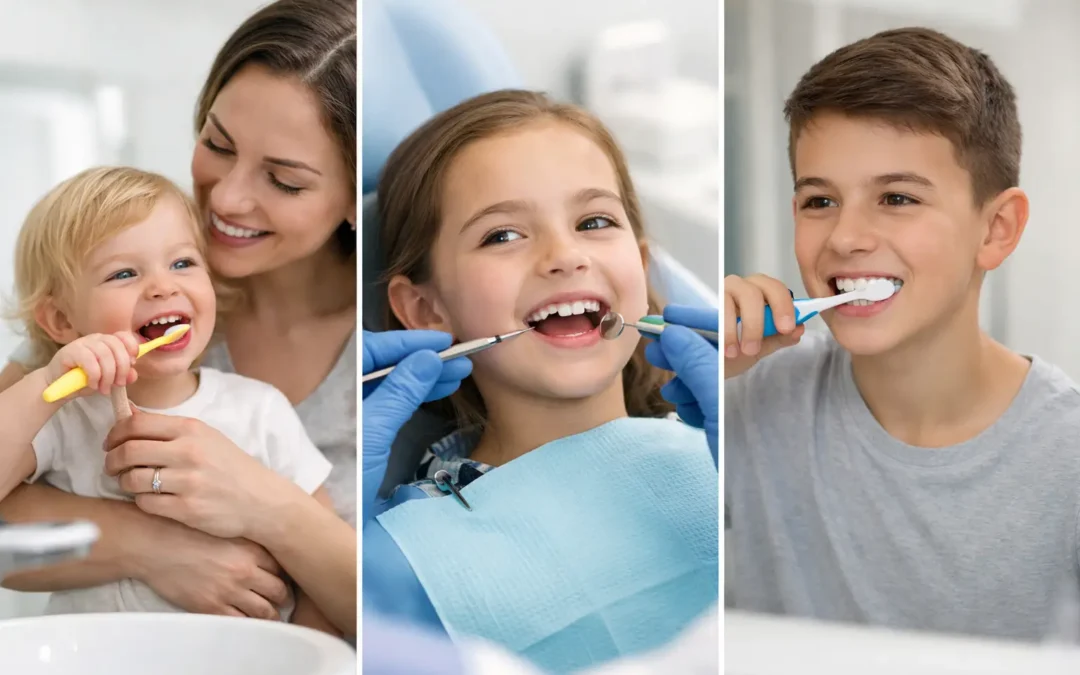
A cavity can start in a baby tooth long before a child complains of pain. In fact, children may continue eating and playing normally while tooth decay quietly progresses. Learning how to prevent childhood cavities gives your child more than a healthier smile – it helps protect comfortable eating, clear speech, confidence, and the healthy adult teeth developing beneath their gums.
The good news is that prevention does not require perfection. It comes down to a few consistent habits, adjusted as your child grows, plus regular guidance from a dental team that knows your family.
How to Prevent Childhood Cavities Starts Early
Dental care begins before your child can brush independently. As soon as the first tooth appears, usually around 6 months of age, gently clean it twice a day with a soft, age-appropriate toothbrush. Use a tiny smear of fluoride toothpaste, about the size of a grain of rice, for children younger than 3.
Once your child turns 3, use a pea-sized amount of fluoride toothpaste. Help with brushing until they have the coordination to do a thorough job on their own, often around age 6 or 7. Even then, supervision is helpful. A child may be able to hold a toothbrush well but still miss the gumline, back teeth, and chewing surfaces where cavities often begin.
At bedtime, brushing matters most. Saliva flow naturally decreases during sleep, so sugars and acids stay on teeth longer. After nighttime brushing, water should be the only drink. Milk, formula, juice, and sweetened beverages can leave sugars on teeth overnight, particularly when a child falls asleep with a bottle or sippy cup.
If nighttime feeding is part of your baby’s routine, do not feel discouraged. It is a common family experience, and your dentist can help you create a practical plan based on your child’s age, feeding needs, and cavity risk.
Schedule the First Visit on Time
A child should see a dentist by their first birthday or within six months of the first tooth coming in. This early visit is usually simple and gentle. It allows the dentist to check growth and tooth development, identify early concerns, and help parents feel confident about home care.
Early appointments also make dental visits familiar rather than frightening. When children visit only after pain starts, they may associate the dental office with discomfort. Routine checkups build trust and give families a chance to ask questions before a small concern becomes a bigger treatment need.
Make Brushing a Family Routine, Not a Daily Battle
Children respond best when brushing is predictable. Try tying it to routines that already happen every day, such as getting dressed in the morning and putting on pajamas at night. Two full minutes may feel long to a young child, so a favorite song, a timer, or brushing together can make it more manageable.
Let your child choose a toothbrush with a character or color they like, but keep the focus on technique rather than the toothbrush itself. Angle the bristles gently toward the gums and move across every tooth surface: the outside, inside, and chewing sides. For older children, remind them to brush behind the front teeth and along the gumline, not just the visible surfaces.
Flossing should begin when two teeth touch closely enough that a toothbrush cannot clean between them. For many children, this happens in the back teeth first. Parents can use floss picks if they make the task easier, although regular floss works well when used carefully.
Avoid turning toothpaste into a treat or giving a child unrestricted access to it. Fluoride is a powerful cavity-prevention tool when used in the right amount, but young children should spit out excess toothpaste rather than swallow it. Keep brushing supervised until that habit is reliable.
Think About How Often Sugar Reaches Teeth
Parents are often told to limit sugar, but frequency can matter as much as quantity. Each time a child eats or drinks something sugary or starchy, bacteria in the mouth produce acids that weaken tooth enamel. Frequent grazing gives those acids repeated opportunities to work.
A cookie with lunch is usually less concerning than slowly sipping sweetened juice for an hour. The same is true for sports drinks, flavored milks, gummies, fruit snacks, crackers, and dried fruit. These foods can stick to teeth or keep sugar exposure going between meals.
That does not mean family life needs to be free of birthday cake, school treats, or occasional juice. A realistic approach is to offer sweets with a meal, choose water between meals, and keep snack times defined. Cheese, yogurt without added sugar, fresh fruit, vegetables, nuts for children who can safely eat them, and plain water are tooth-friendlier options.
Many parents are surprised by drinks marketed as healthy. Juice, smoothies, sweet tea, flavored waters, and sports drinks can all expose teeth to sugar or acid. Water is the best everyday drink. If your family drinks bottled water often, ask your dentist whether your child receives enough fluoride, since fluoride levels vary by water source.
Use Fluoride and Sealants Wisely
Fluoride strengthens enamel and can help reverse the earliest stages of tooth weakening before a true cavity forms. Fluoride toothpaste is the daily foundation for most children. During regular checkups, a dentist may recommend professional fluoride treatments based on your child’s age, diet, home water source, and history of decay.
Dental sealants are another effective preventive option for many school-age children. These thin protective coatings are placed on the deep grooves of permanent molars, where food and bacteria can collect even when a child brushes well. The process is quick, comfortable, and does not require drilling into a healthy tooth.
Not every child has the same cavity risk. A child with deep grooves, frequent snacking, dry mouth, previous cavities, or difficulty brushing may benefit from more frequent preventive care. Your dentist can recommend a plan that fits your child instead of applying a one-size-fits-all approach.
Watch for Changes Before They Become Painful
Cavities do not always hurt at first. A white, chalky spot near the gumline can be an early sign that enamel is losing minerals. Brown or dark spots, sensitivity to cold foods, pain while chewing, bad breath that persists despite brushing, or food regularly getting stuck in one area all deserve a call to the dental office.
Do not wait for a toothache if something seems different. Baby teeth hold space for permanent teeth and support normal eating and speech. Treating decay early is often simpler and more comfortable than waiting until infection or significant pain develops.
Children with braces also need extra attention to cleaning. Brackets and wires create more places for plaque to collect, and missed brushing can leave permanent white spots around the brackets. An orthodontic toothbrush, floss threader, water flosser, or interproximal brush may help, but the best tool is the one your child will use consistently and correctly.
Keep Dental Care Comfortable and Consistent
Regular dental visits allow your child’s dentist to monitor changes that are difficult to see at home. Depending on your child’s needs, checkups may include a cleaning, fluoride treatment, digital X-rays when appropriate, and coaching on brushing or nutrition. These visits are also an opportunity to celebrate what your child is doing well.
At Smile Perfection Dental & Orthodontics, families in Pembroke Pines, Boynton Beach, and Royal Palm Beach can receive preventive care in a welcoming setting built around long-term relationships. A calm, positive visit can make a lasting difference for a child who is learning that dental care is simply part of staying healthy.
Tonight, start with one small step: brush together, offer water after brushing, and take a quick look at your child’s smile. Those ordinary moments, repeated day after day, are where strong, cavity-resistant smiles begin.