
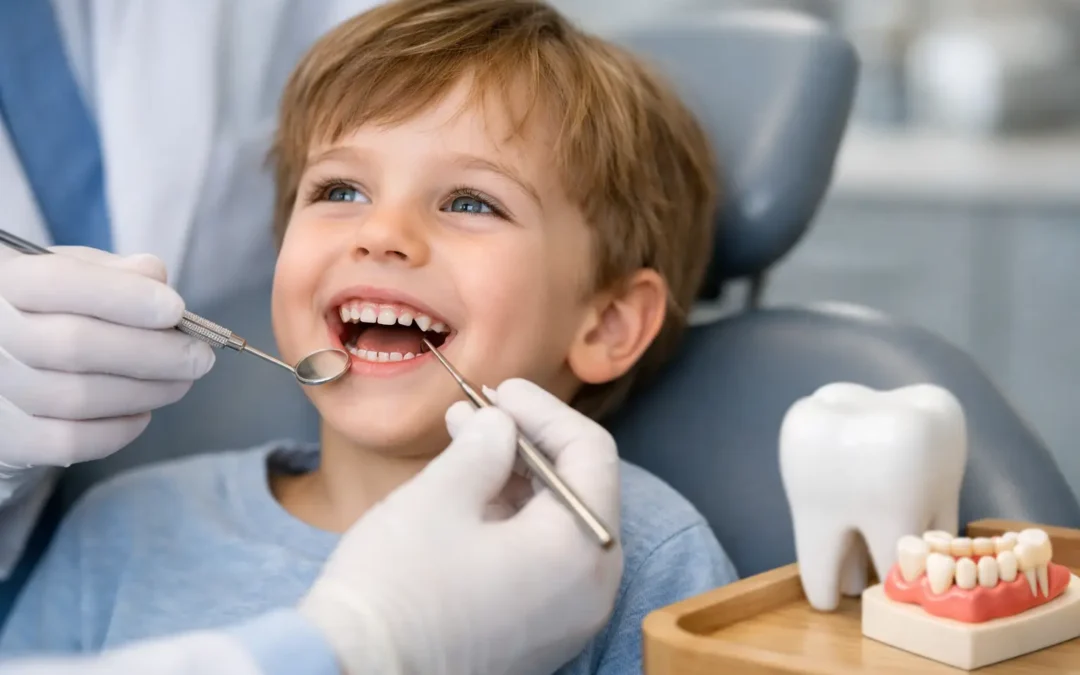
A toddler’s first tooth can seem tiny and temporary, especially when it is followed by years of wiggly teeth, tooth fairy visits, and big-kid smiles. But are baby teeth important? Absolutely. Primary teeth do much more than fill out a child’s smile until adult teeth arrive. They help children eat, speak clearly, build confidence, and make room for healthy permanent teeth.
Because baby teeth eventually fall out, it can be tempting to put off care for a small cavity or assume brushing is less urgent. The truth is that healthy baby teeth give children a stronger start – and early dental habits often carry into the teen and adult years.
Why Are Baby Teeth Important for a Child’s Health?
Baby teeth, also called primary teeth, begin appearing around six months of age for many children. By about age 3, most children have 20 primary teeth. These teeth are designed to serve an important purpose during a major period of growth and development.
First, they make eating easier. Children need to chew a variety of foods as they move beyond purees and soft snacks. Healthy teeth help them bite into fruit, chew proteins, and enjoy the balanced meals their growing bodies need. When a tooth hurts because of decay or infection, a child may avoid chewing on one side, refuse certain foods, or become upset at mealtime.
Baby teeth also play a meaningful role in speech. The tongue, lips, and teeth work together to form sounds. Missing teeth or painful teeth can sometimes make it harder for a young child to pronounce certain words clearly. Speech develops over time, of course, and every child is different, but a comfortable, healthy mouth supports that process.
Just as importantly, baby teeth hold space for permanent teeth developing below the gums. Think of each primary tooth as a placeholder. It guides the adult tooth into a more favorable position when it is time to erupt. If a baby tooth is lost too early because of decay, injury, or infection, nearby teeth can drift into that open space. That may leave less room for the permanent tooth and increase the chance of crowding or bite concerns later.
Baby Teeth Help Shape the Developing Smile
A child’s jaw is still growing, and their bite changes quickly during the early years. Primary teeth help maintain the spacing and alignment that permanent teeth need. This does not mean every lost baby tooth will lead to orthodontic treatment. Children naturally lose teeth at different times, and some spacing changes are completely normal.
The concern is premature tooth loss. If a tooth comes out well before it was ready to fall out, a dentist may recommend a space maintainer. This small appliance can keep the neighboring teeth from shifting until the permanent tooth is ready to come in. Whether it is needed depends on which tooth was lost, your child’s age, and how close the adult tooth is to erupting.
Regular dental visits allow the dentist to monitor tooth development, jaw growth, bite changes, and eruption patterns. This is one reason early visits are about more than looking for cavities. They give families a chance to ask questions and give the dental team a baseline for your child’s growing smile.
Cavities in Baby Teeth Are Not “No Big Deal”
Tooth decay is common in childhood, but it should not be ignored simply because a tooth is temporary. A cavity can grow deeper over time and reach the inner part of the tooth, where nerves and blood vessels are located. What began as a small area of decay can become a painful infection, swelling, or an urgent dental problem.
Pain can interfere with sleep, school, play, and eating. In some cases, a severely damaged baby tooth may need a filling, crown, nerve treatment, or extraction to protect your child’s comfort and overall oral health. Treating a cavity while it is small is generally simpler and easier for children than waiting until a tooth becomes painful.
There is also a practical lesson in early care. When children learn that brushing, checkups, and dental treatment are normal parts of staying healthy, they are more likely to feel comfortable visiting the dentist as they grow. A positive early experience can make a lasting difference for children who may otherwise feel anxious about dental care.
How to Protect Baby Teeth at Home
Good oral care starts before a child has a full smile. After feedings, gently wipe an infant’s gums with a clean, soft cloth. Once the first tooth appears, brush twice a day with a soft, age-appropriate toothbrush.
For children younger than 3, use a smear of fluoride toothpaste about the size of a grain of rice. For children ages 3 through 6, use a pea-sized amount and help them spit it out rather than swallow it. Parents should do the brushing or closely supervise until a child has the hand skills to clean thoroughly on their own. Many children need help longer than parents expect.
A few daily choices can make a real difference:
- Offer water between meals and snacks, especially after sweet or sticky foods.
- Keep juice limited and avoid letting a child sip sugary drinks over long periods.
- Avoid putting a child to bed with a bottle containing milk, juice, or any sweetened drink. Water is the safer bedtime choice after brushing.
- Choose tooth-friendly snacks such as cheese, yogurt, vegetables, fruit, and nuts when age-appropriate.
- Begin flossing when two teeth touch, since a toothbrush cannot clean between them well.
No family follows a perfect routine every day. Birthday cake, holiday treats, and busy school mornings are part of real life. What matters most is the overall pattern: consistent brushing, sensible drink choices, and regular professional care.
When Should Your Child First Visit the Dentist?
A child should see a dentist by their first birthday or within six months after the first tooth erupts, whichever comes first. That timing may feel early, but the first visit is often simple and reassuring. It gives parents clear guidance on brushing, fluoride, feeding habits, thumb-sucking or pacifier use, and what to expect as more teeth come in.
For a young child, the goal is often familiarity. The dental team can count teeth, check the gums, look for early signs of decay, and help your child become comfortable in the dental chair. Short, positive visits can make future appointments feel routine rather than intimidating.
Families should also call sooner if they notice a white, brown, or black spot on a tooth; persistent bad breath; gum swelling; tooth pain; a broken tooth; or a tooth that changes color after a fall. A gray or darkened tooth after an injury does not always mean there is a serious problem, but it should be evaluated.
What If a Baby Tooth Is Knocked Out?
Falls happen, especially as children learn to walk, run, ride, and play sports. If a baby tooth is chipped, loose, pushed out of position, or knocked out, contact a dental office promptly for guidance. Do not try to place a knocked-out baby tooth back into the socket. Reimplanting a primary tooth can damage the developing permanent tooth underneath.
If there is bleeding, apply gentle pressure with clean gauze. A cold compress on the outside of the cheek may help with swelling. Seek urgent medical care for heavy bleeding, a suspected jaw injury, loss of consciousness, vomiting, or other signs of a head injury.
For active children, a custom mouthguard can help protect teeth during sports such as football, basketball, soccer, hockey, and martial arts. It is a simple preventive step that can spare a child and parent from a stressful dental emergency.
A Healthy Start Can Last for Years
Baby teeth may be temporary, but the comfort, function, habits, and confidence they support are not. Caring for them helps children eat well, speak comfortably, smile freely, and prepare for the permanent teeth that will follow.
At Smile Perfection Dental & Orthodontics, families can receive age-appropriate, compassionate guidance from the first tooth through orthodontic care and beyond. If you have noticed a change in your child’s teeth or simply want help building a healthy routine, a checkup can provide clarity and peace of mind.
Trackbacks/Pingbacks