
A wedding photo, a work presentation, or simply seeing your smile in the mirror can make crooked teeth feel more noticeable than they did yesterday. If you have been asking, is Invisalign worth it, the honest answer is that it can be – but only when the treatment fits your smile, your lifestyle, and your willingness to wear the aligners as directed.
Invisalign is not just about making orthodontic treatment less visible. For the right patient, it can offer a comfortable, flexible way to improve alignment, bite function, and confidence. Still, clear aligners require daily commitment, and traditional braces remain the better choice for some complex cases.
What Invisalign Can Change
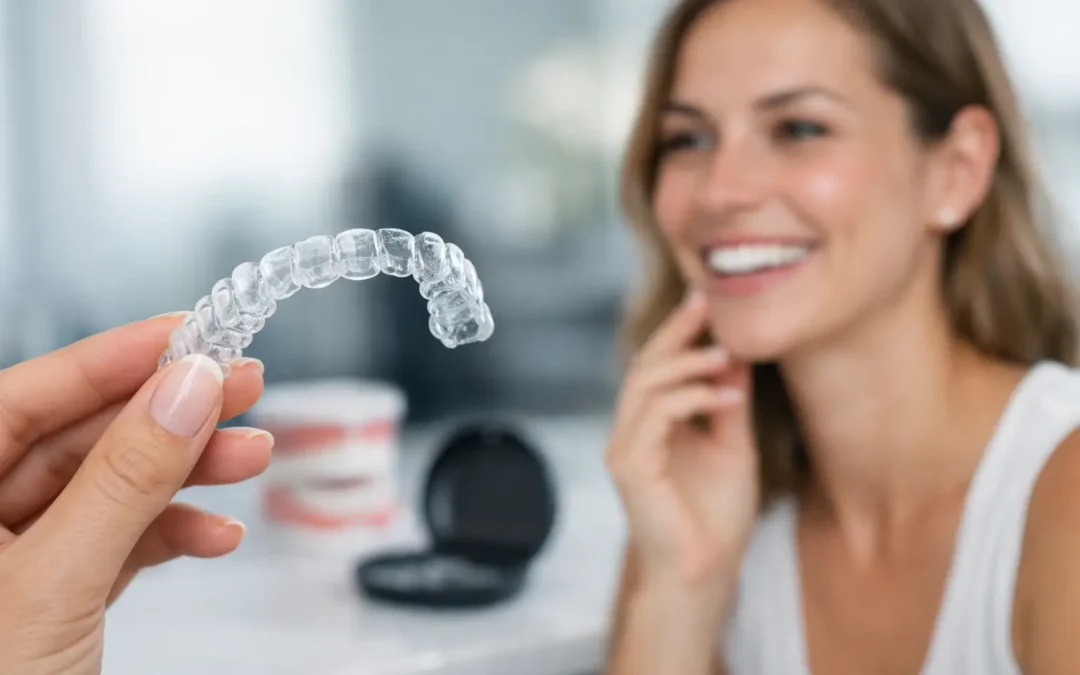
Invisalign uses a series of custom-made, clear plastic aligners to gradually guide teeth into planned positions. Each set is worn for a prescribed period, usually one to two weeks, before moving to the next. Your dentist or orthodontic specialist monitors progress and makes adjustments when needed.
Treatment can address many common concerns, including crowding, gaps, teeth that have shifted after braces, overbites, underbites, crossbites, and open bites. Straightening teeth is often seen as a cosmetic goal, but alignment can affect more than appearance. When teeth are easier to brush and floss, daily hygiene may become more manageable. Improving the way teeth meet can also support comfortable chewing and help protect teeth from uneven wear.
The key word is “many.” Clear aligners can treat a wide range of cases, but they are not automatically the best tool for every orthodontic need. A professional exam, digital imaging, and a personalized treatment plan are what determine whether Invisalign is likely to deliver the result you want.
Is Invisalign Worth It for Your Lifestyle?
For adults and teens who want a less noticeable option, Invisalign often feels worth the investment because the aligners are clear and removable. You can take them out for meals, brush and floss normally, and remove them briefly for an important event. That flexibility is a major reason patients choose aligners over metal braces.
However, removable does not mean optional. Aligners generally need to be worn about 20 to 22 hours a day. Taking them out for coffee throughout the morning, long snacks, or forgetting to put them back in after dinner can slow treatment and affect the final outcome. Patients who prefer not to manage that responsibility may do better with braces, which work around the clock without relying on daily wear habits.
Invisalign also requires a practical routine. You will need to remove aligners before eating anything other than water, clean them regularly, brush before reinserting them when possible, and keep track of the case when they are out. For many people, this quickly becomes second nature. For others, especially younger teens or people with unpredictable schedules, it can be a frustrating responsibility.
Comfort and appearance matter
Clear aligners are smooth, so they typically do not have brackets or wires that can rub against the cheeks and lips. There can still be tenderness when switching to a new set of aligners because teeth are moving. That pressure is expected and usually temporary.
Appearance matters, too, and there is nothing superficial about wanting to smile freely. Many adults who delayed orthodontic treatment earlier in life appreciate being able to straighten their teeth discreetly during meetings, social events, and family photos. Teens may also feel more comfortable with a less visible treatment option, provided they can follow the wear schedule consistently.
Invisalign vs. Braces: The Real Trade-Offs
Neither option wins in every category. Invisalign offers convenience and discretion, while braces offer fixed, continuous force and can be especially effective for complicated tooth movements. The best treatment is the one that safely addresses your specific bite and alignment concerns.
Braces may be recommended when teeth need significant rotation, when the bite is more complex, or when a patient is unlikely to wear aligners consistently. They are also often a strong choice for children and teens who would benefit from a treatment that cannot be misplaced or left in a napkin at lunch.
On the other hand, Invisalign may be an excellent fit for mild to moderate crowding, spacing, relapse after previous braces, and many bite concerns. Attachments – small, tooth-colored shapes placed on certain teeth – can give aligners the grip needed for more precise movements. Some patients also need small amounts of enamel shaping or elastic bands as part of their plan. These details are normal parts of comprehensive orthodontic care, not signs that Invisalign has failed.
Treatment time varies with the complexity of the case and how consistently aligners are worn. Some limited cases may take several months, while more involved treatment can take 12 to 18 months or longer. Braces and Invisalign can have similar timelines in certain cases, so it is better to focus on predictability and suitability than on promises of a quick fix.
What Does Invisalign Cost?
Cost is often the deciding factor, and it deserves a clear conversation. Invisalign treatment commonly ranges from roughly $3,000 to $8,000, though the exact fee depends on the complexity of your case, the expected length of treatment, the number of aligners needed, and whether refinements are included.
Insurance may contribute toward orthodontic treatment if your plan includes orthodontic benefits. Coverage differs widely, so it is helpful to verify the lifetime maximum, age restrictions, and whether clear aligners are covered at the same level as braces. Flexible spending accounts and health savings accounts may also be options for eligible patients.
The lowest advertised price is not always the best value. Orthodontic treatment involves more than receiving trays in a box. Thoughtful diagnosis, treatment planning, progress visits, digital monitoring when appropriate, and access to a dental team if questions arise all help protect your result. Ask what is included in the quoted fee, whether retainers are separate, and how refinements are handled if teeth need additional adjustment near the end of treatment.
The Part Many People Forget: Retainers
Whether you choose Invisalign or braces, teeth can shift after active treatment. Retainers are how you protect the time, effort, and financial investment you made in your smile. Most patients wear retainers full-time at first and then transition to nighttime wear based on their provider’s recommendations.
This is especially relevant for adults whose teeth have already shifted after childhood braces. Invisalign can often correct that relapse beautifully, but skipping retainers afterward can allow the same changes to return. Long-term retention is not an extra detail. It is part of the treatment.
Who Is Most Likely to Be Happy With Invisalign?
Patients tend to feel most satisfied with Invisalign when they understand the commitment before they begin. You may be a strong candidate if you want a discreet option, can wear aligners consistently, have good oral health or are willing to address dental needs first, and want to maintain normal brushing and flossing habits during treatment.
Before beginning orthodontics, your dental team should check for cavities, gum inflammation, gum disease, and other concerns that could affect treatment. Healthy teeth and gums provide the foundation for safe tooth movement. If restorative or periodontal care is needed, completing it first can lead to a healthier, more stable result.
A consultation should also include an honest discussion of your goals. Do you mainly want to close one visible gap? Are you concerned about crowding and cleaning? Do you have jaw discomfort or notice that your teeth do not meet evenly? The answer helps determine whether a limited aligner plan, comprehensive Invisalign treatment, or braces makes the most sense.
At Smile Perfection Dental & Orthodontics, patients can discuss these choices with a team that understands both the cosmetic and functional side of a healthy smile. Digital imaging and a personalized evaluation make it possible to see what is realistic before committing to treatment.
Questions to Ask Before You Start
A good orthodontic conversation should leave you informed, not pressured. Ask whether Invisalign can correct your specific bite concerns, how long treatment is expected to take, how many hours per day you need to wear aligners, and what happens if you lose a tray. It is also wise to ask about the total cost, insurance support, refinements, and retainers.
Most of all, ask what result is reasonably achievable for your individual smile. Clear aligners can be a wonderful option, but the value comes from a treatment plan designed around you, not from choosing the trendiest appliance.
If a straighter, healthier-looking smile would make you feel more confident, schedule a professional consultation and bring your questions. The right plan should feel clear, comfortable, and worth following all the way through.